Sand Castle Sand Walls: Five Round Play Panels That Make Sand Move
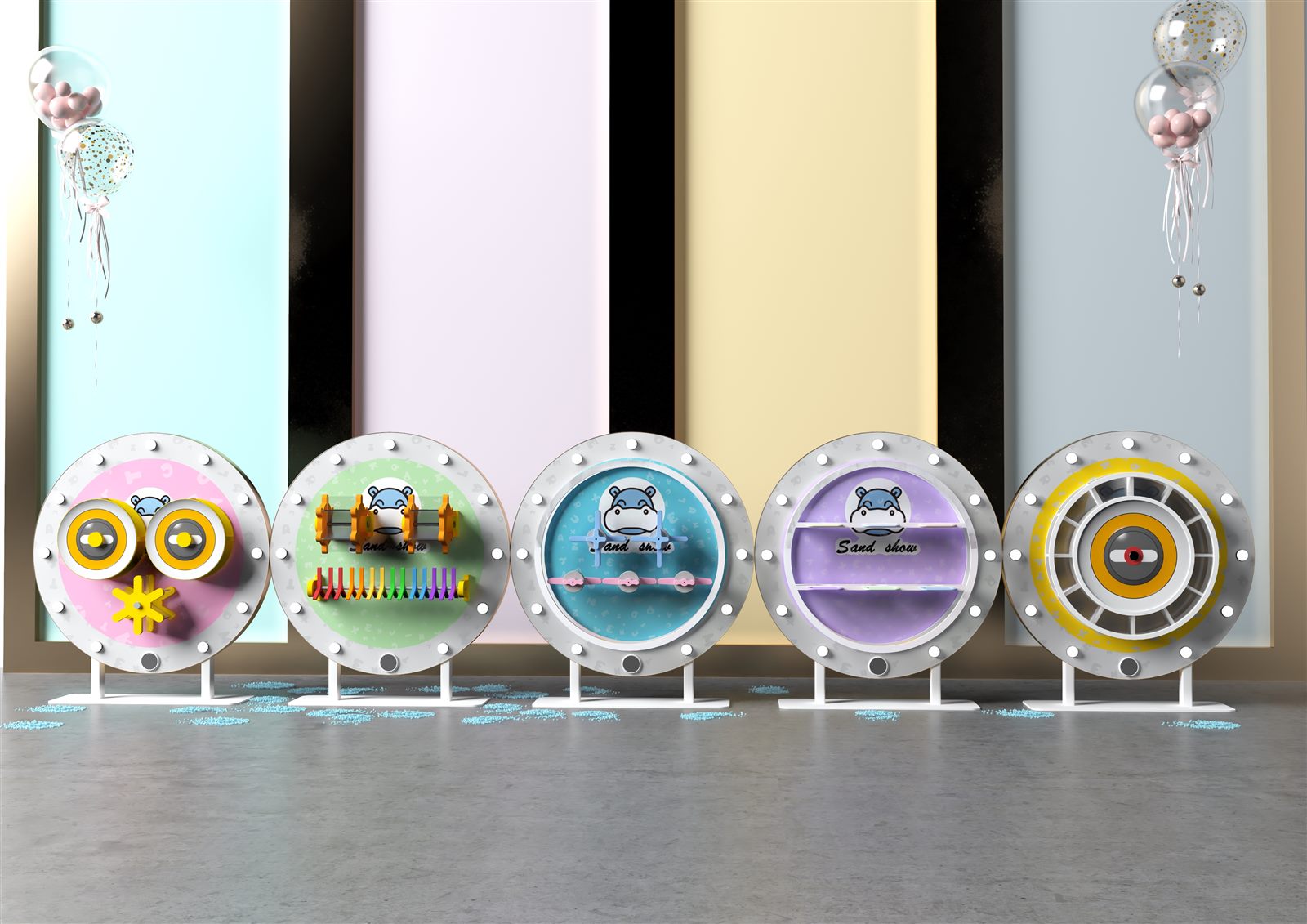
Sand play usually means a box and a shovel. The Sand Castle series turns the wall into the machine: five round panels of rotating paddles, rainbow chimes, twist knobs, tilted trays and a Ferris wheel, each driven by a child's hand. Wall-mounted to save floor, or floor-standing with a painted base — six colors, LED and music optional.
Why a sand wall holds children longer than a sandpit
A sandpit gives children material but no mechanism. Add a rotating paddle, a tilting chute or a spinning wheel and the same sand becomes a system: it is lifted, dropped, poured and collected, and the child controls every step. That loop — load, turn, watch, repeat — is why a 60 cm panel can hold attention far longer than a square metre of open sand.
Because nothing is motorised, several children can work one panel at the same time without waiting for a turn, and there is no motor, belt or controller to service. The panels are round because round has no corners to catch sand, no corners for a child to hit, and reads as a friendly face from across a room. That character — the hippo at the centre of every panel — is the reason the range gets specified for kindergartens as well as malls.
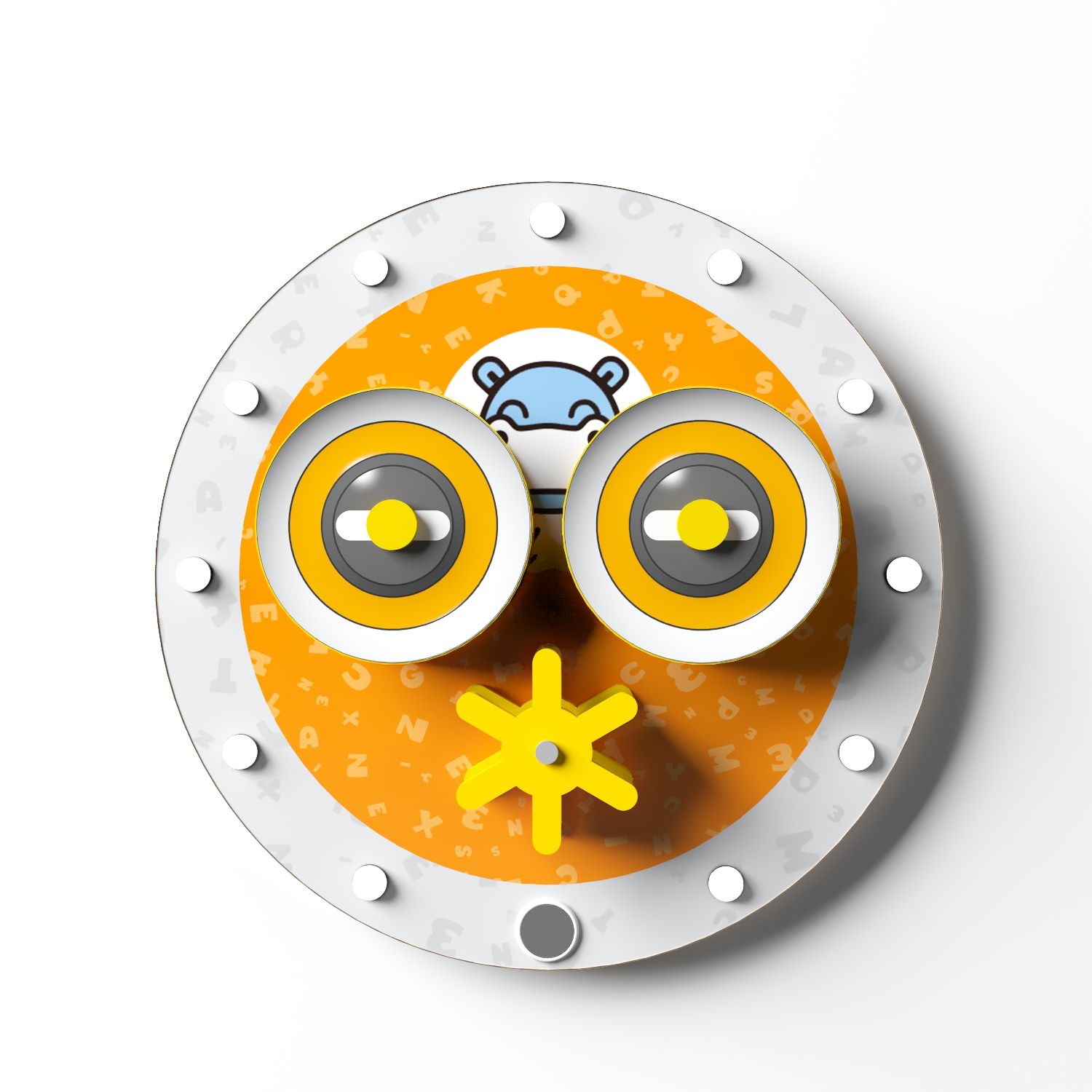
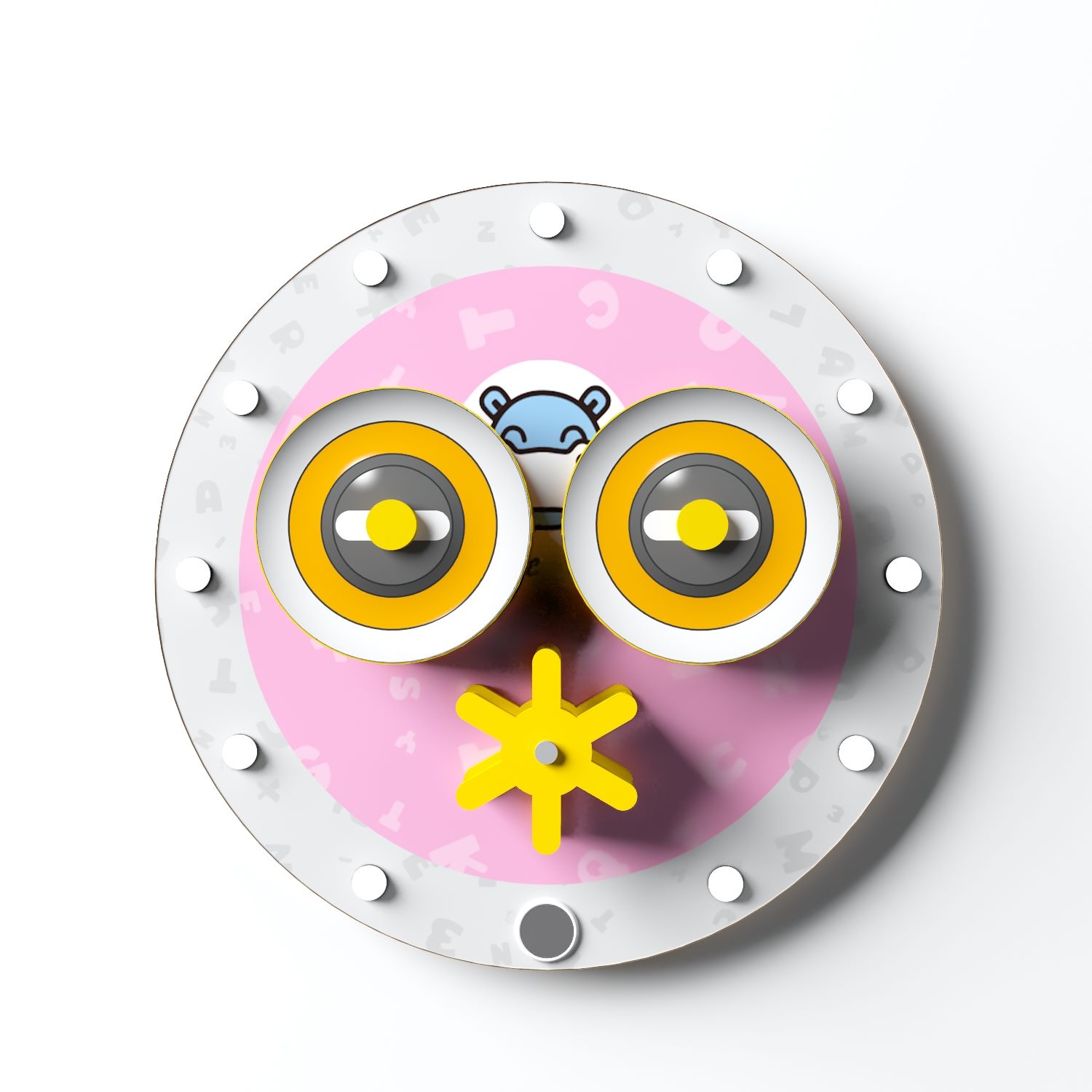
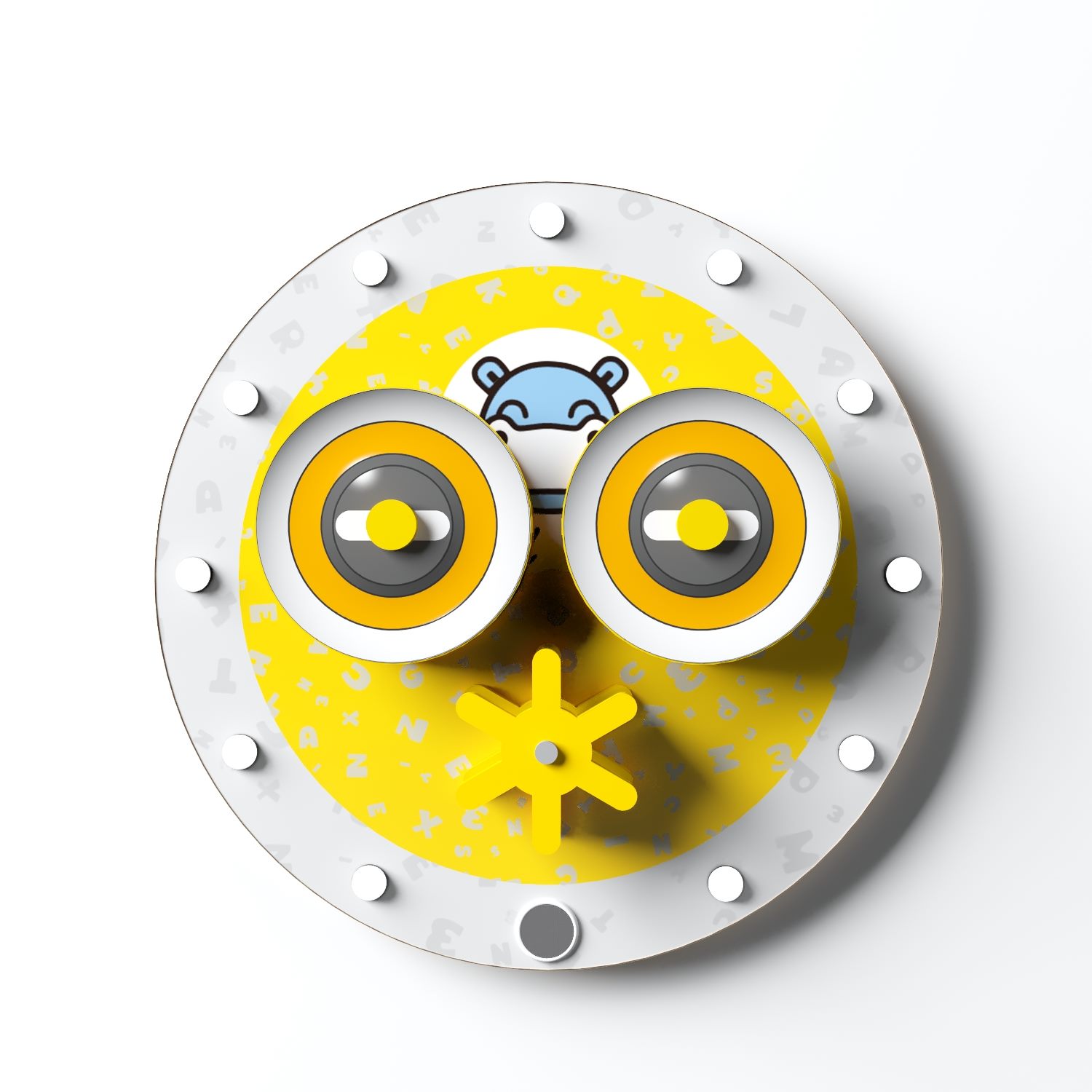
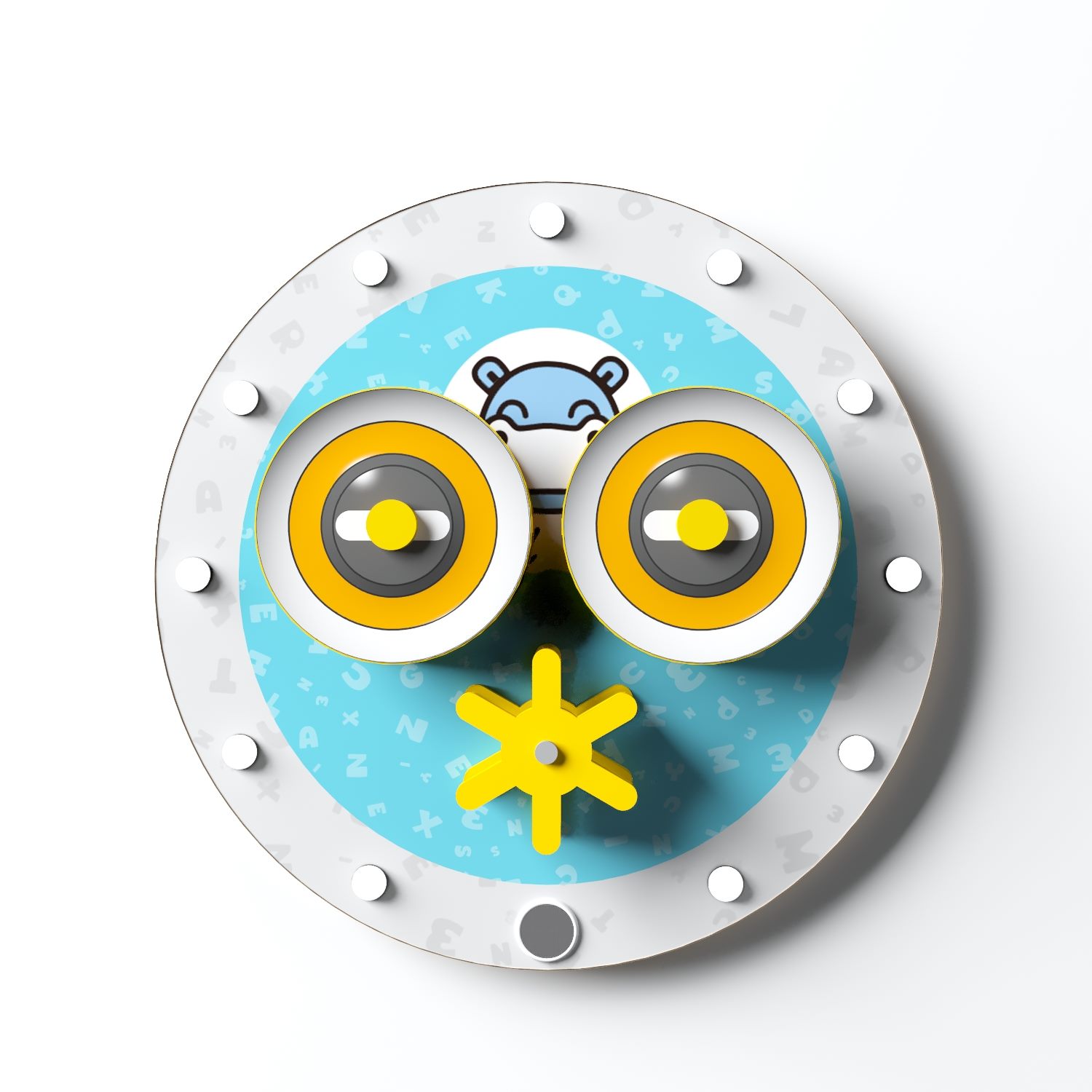
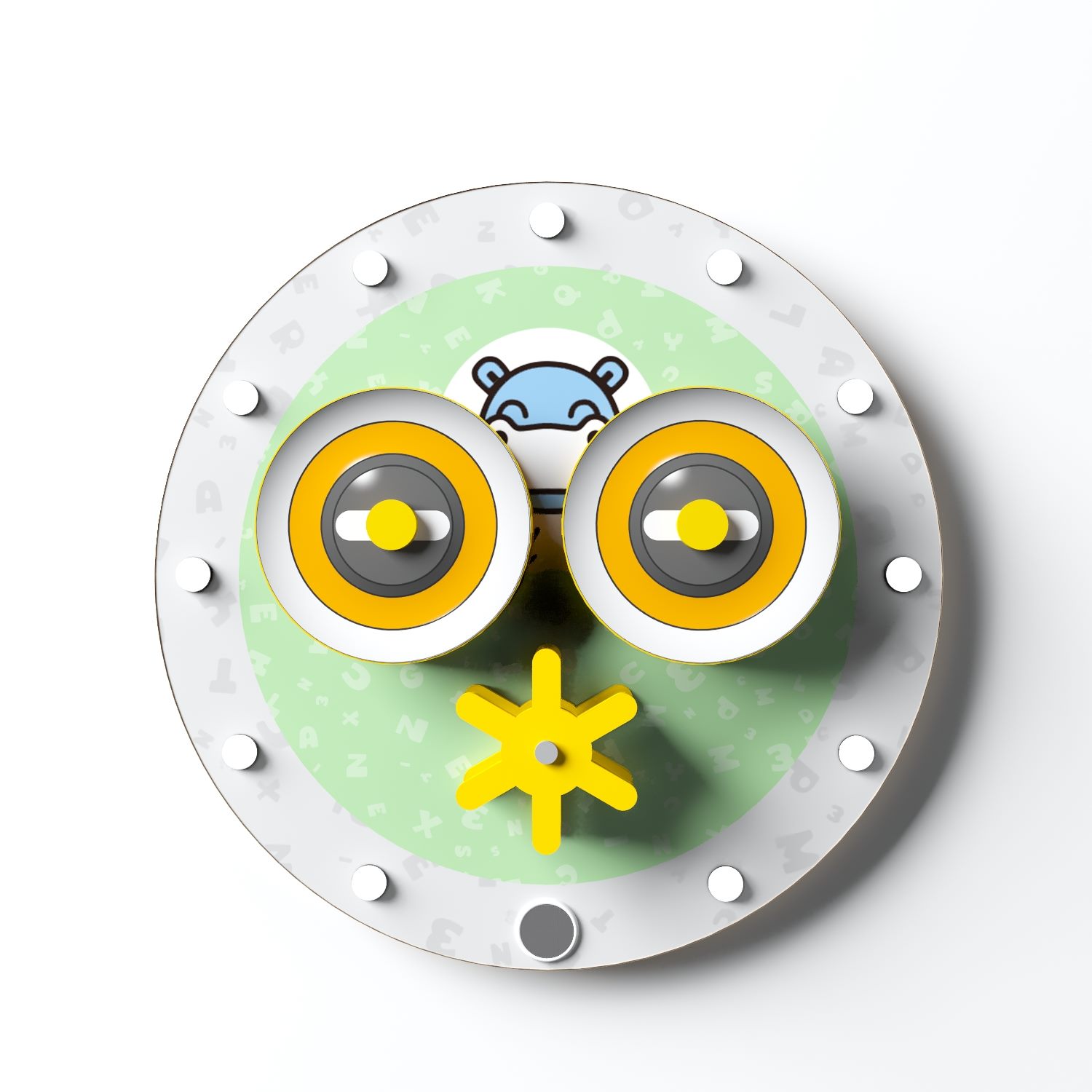
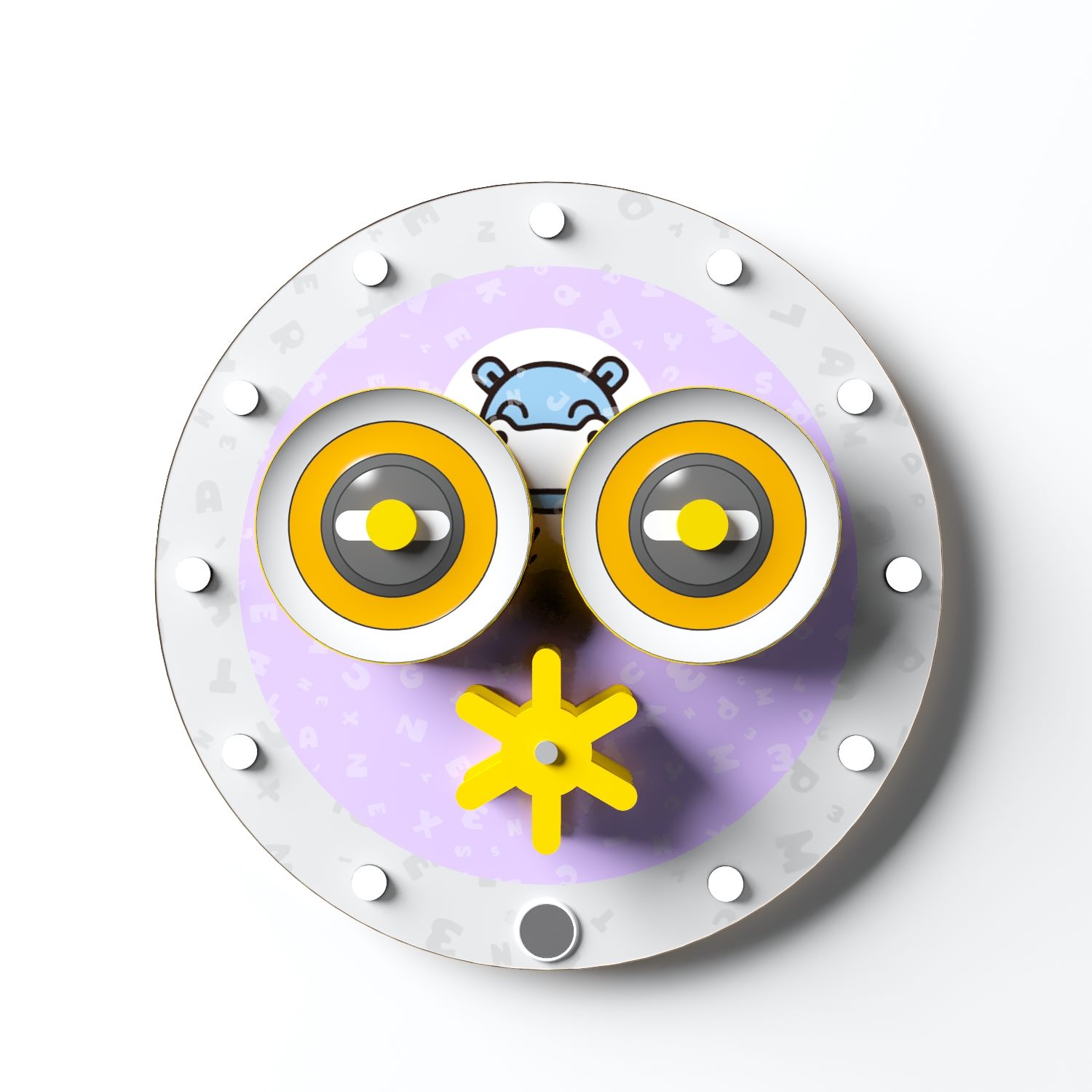
Rotating Sand Wall — Sand Curtain Eyes
Two large paddle wheels sit where the eyes should be. Turn either wheel and sand is lifted around the rim, then falls through the opening as a continuous curtain across the panel face. A star wheel below catches the falling sand and spins it back into the tray.
| Models | Rotating sand wall |
| Colors | 6 standard (orange, pink, yellow, blue, green, purple) |
| Versions | Wall-mounted / floor-standing with base |
| Panel | Round, approx. 600 mm diameter |
| Mechanism | Twin paddle wheels + star wheel, hand driven |
| Materials | Powder-coated steel ring, painted MDF/HDPE face, PC window |
- Two paddle wheels produce a visible falling sand curtain — instant cause and effect
- Star wheel at the bottom keeps sand circulating without staff help
- Round panel has no corners to trap sand or catch a child
- Panel face is a friendly character — reads well from across a room
- Available wall-mounted (zero floor use) or on a painted floor base
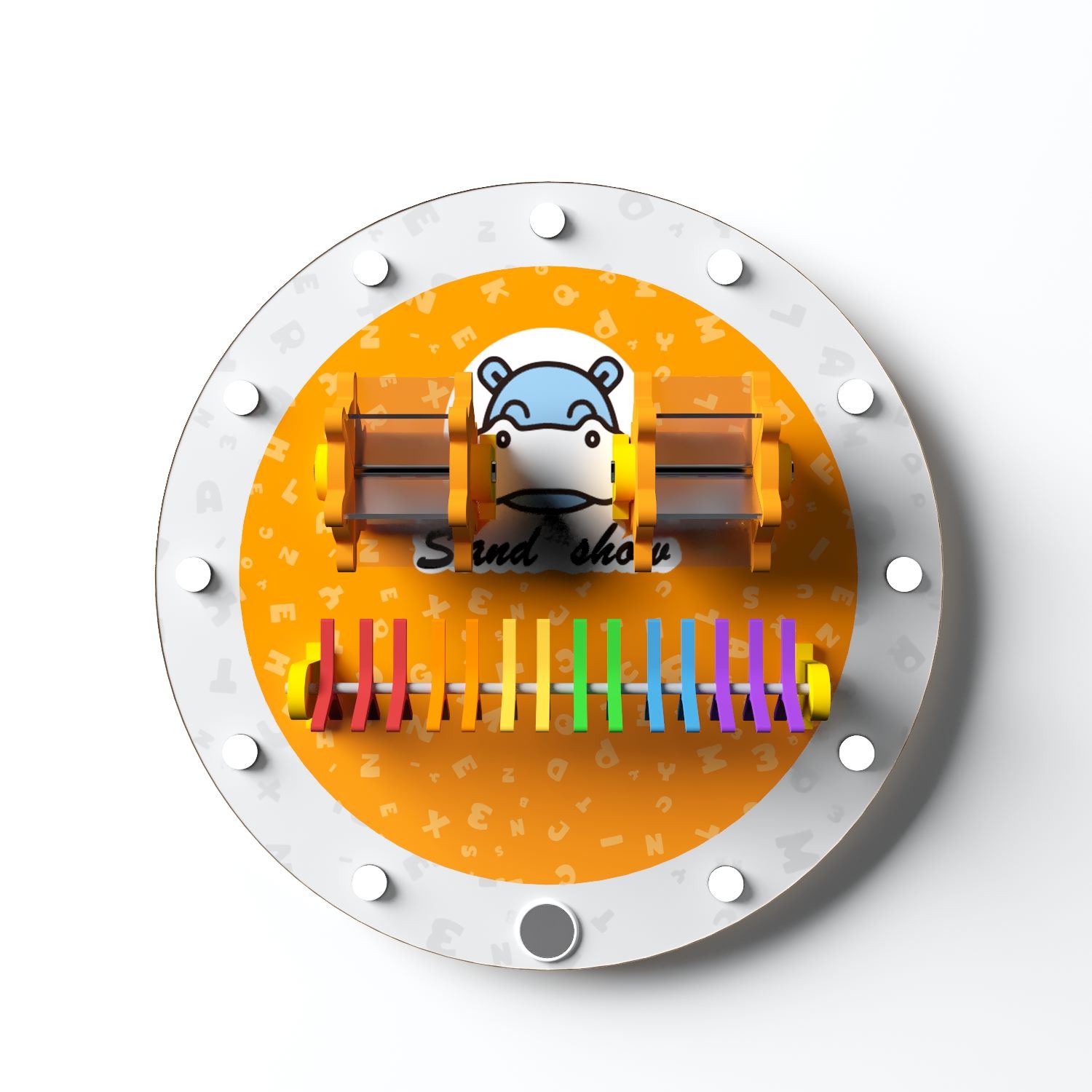
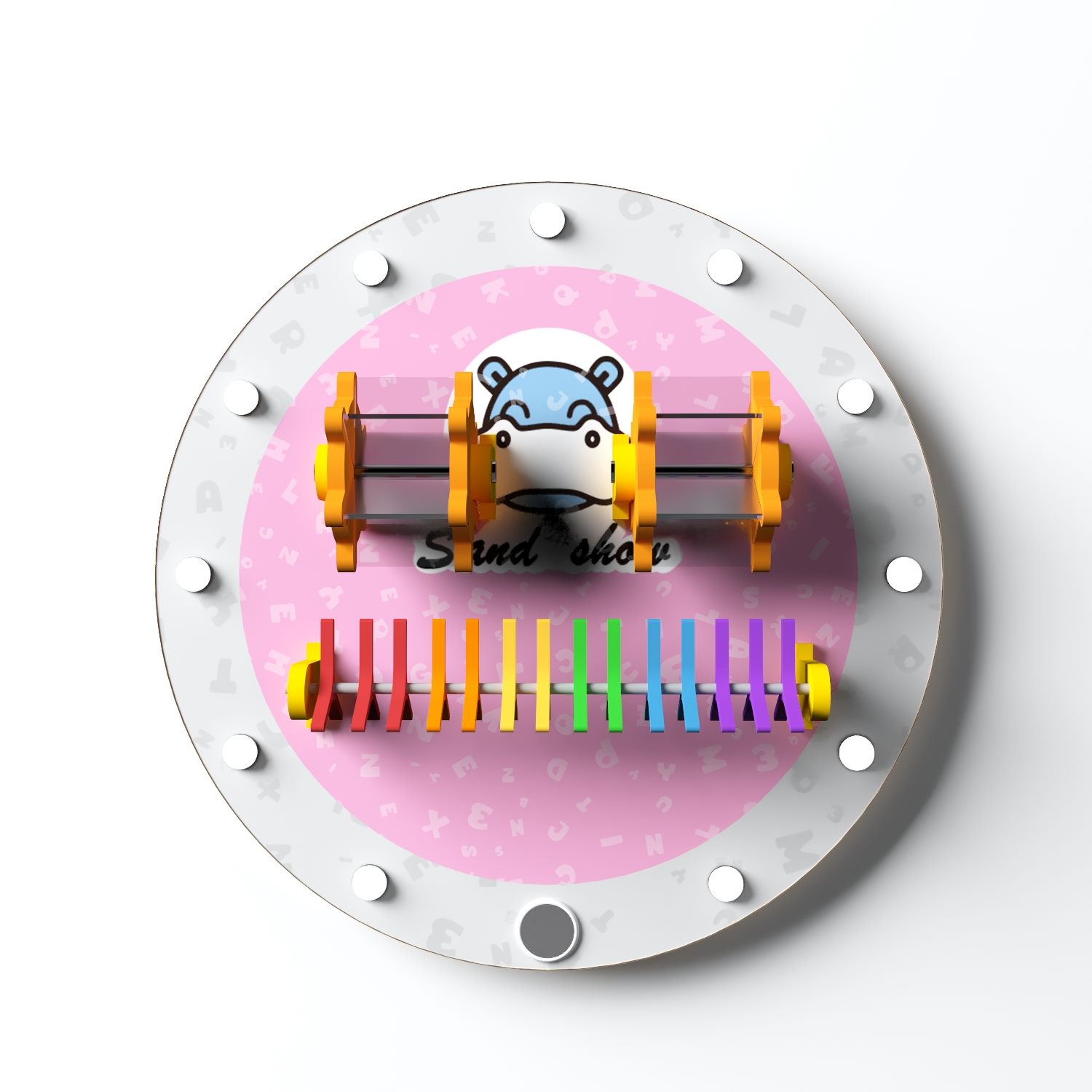
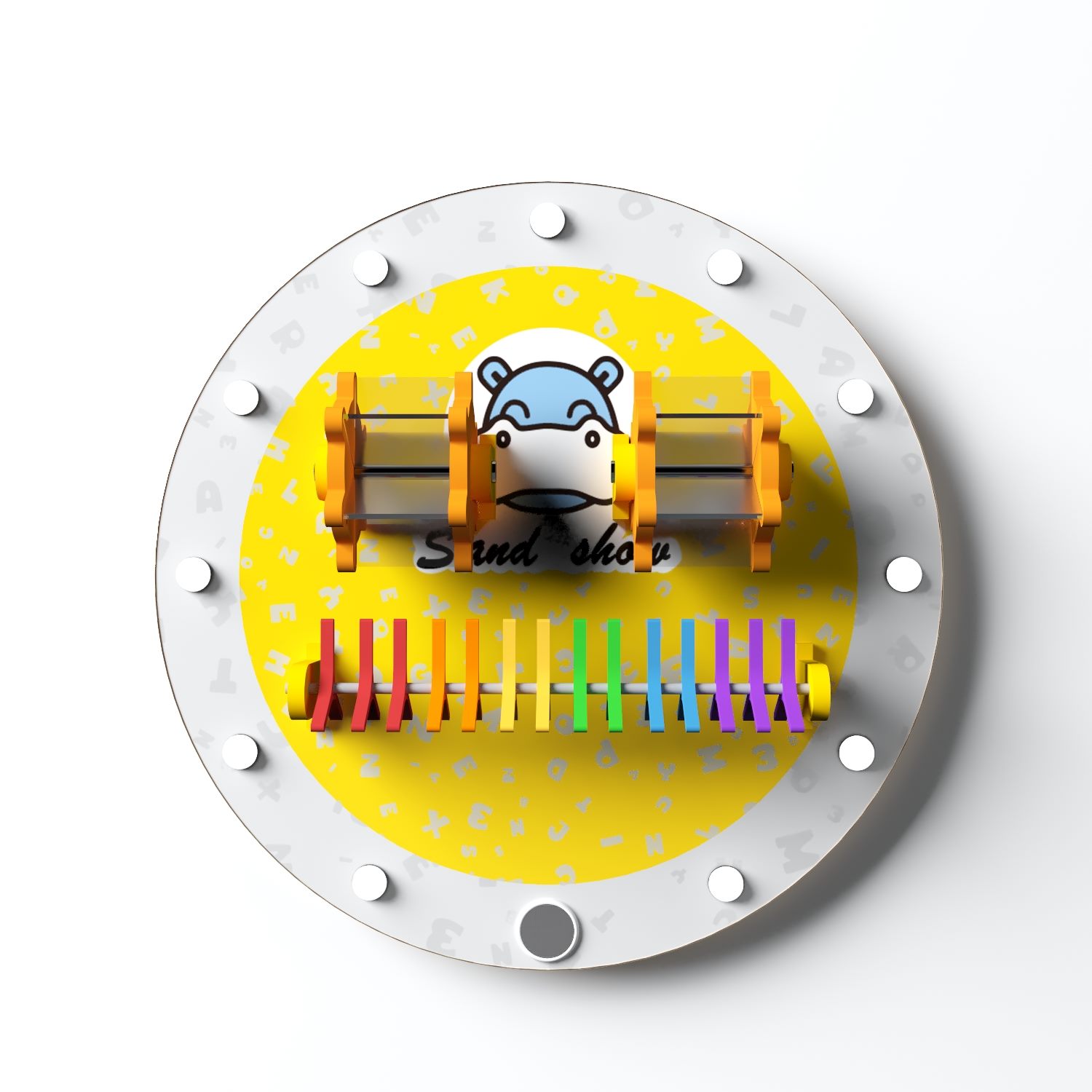
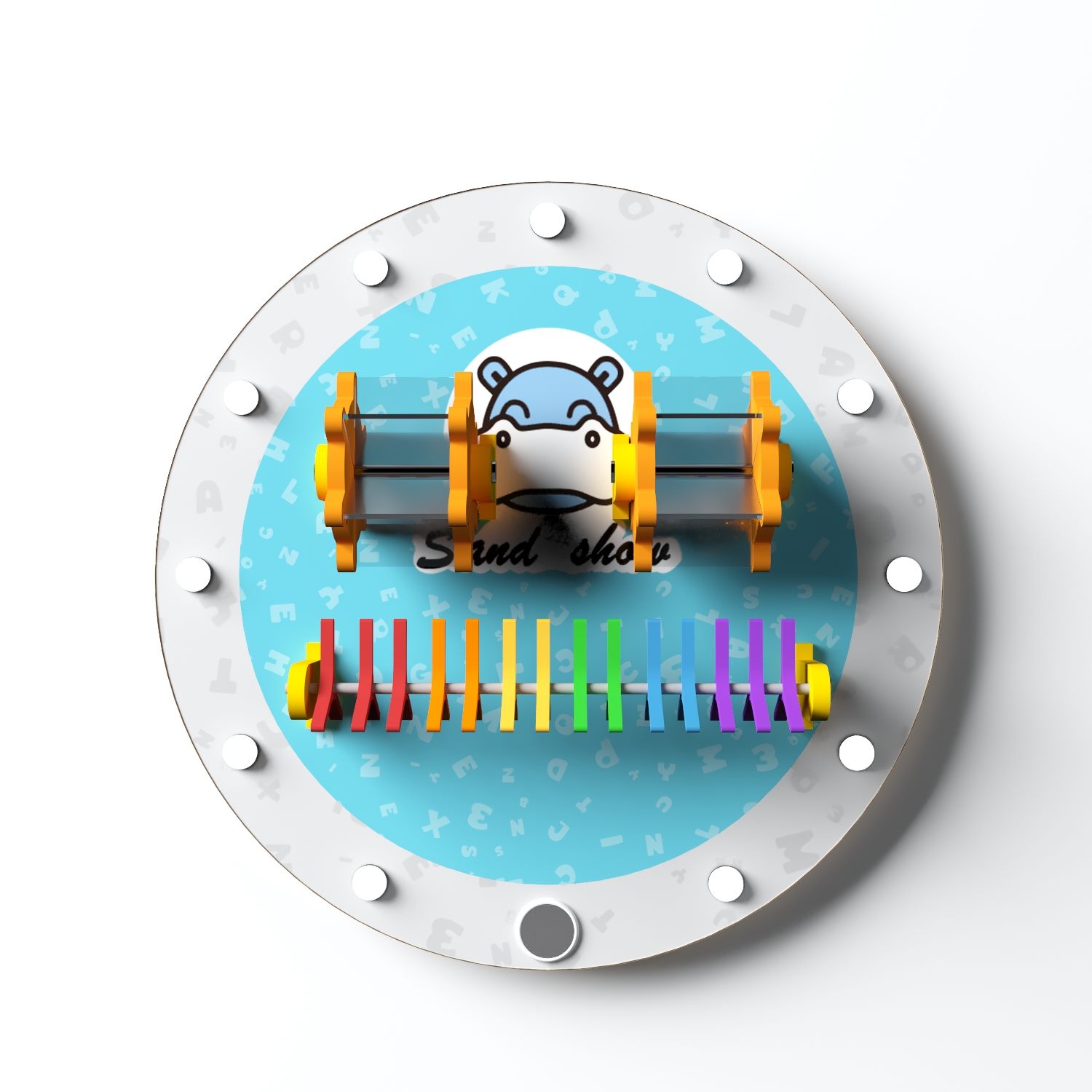
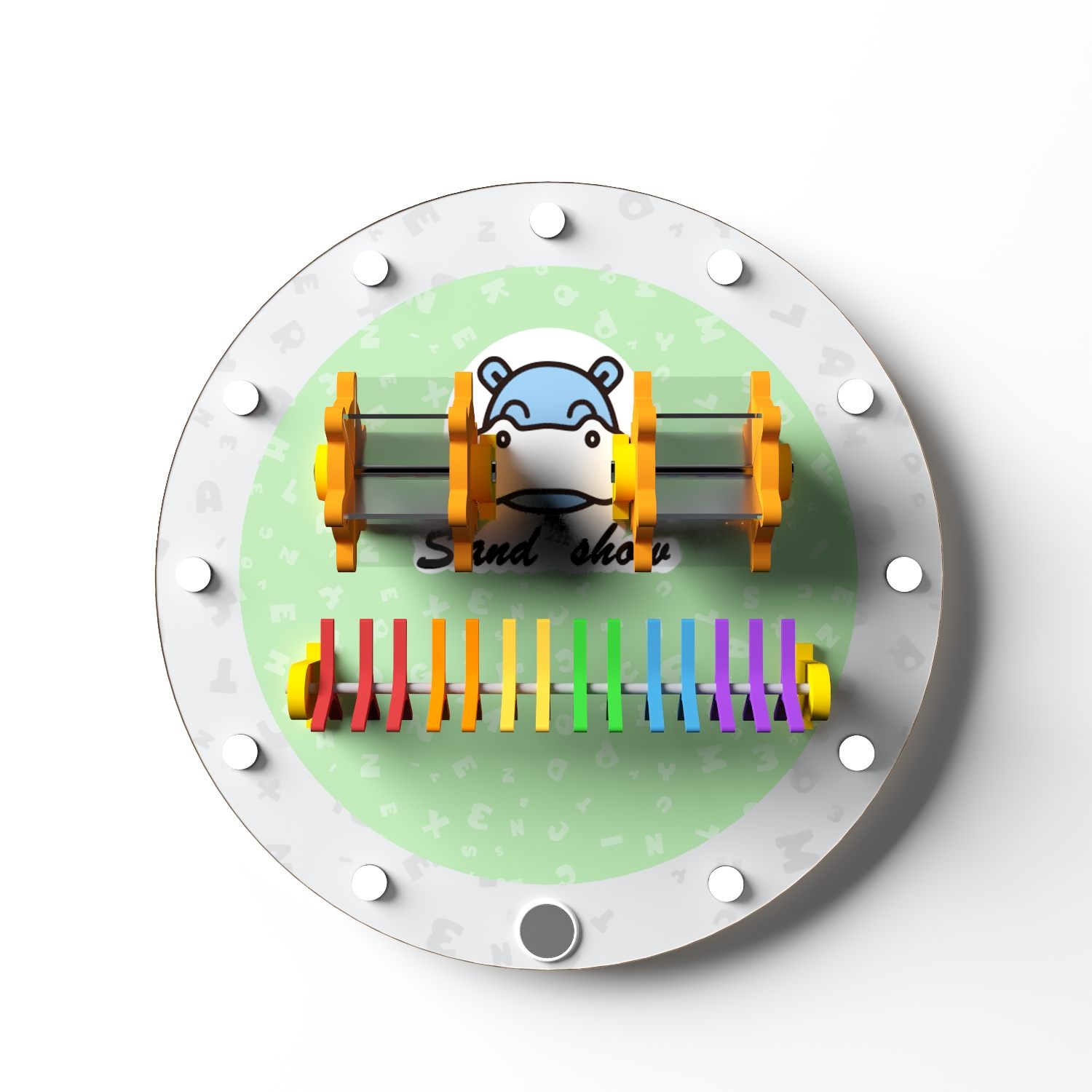
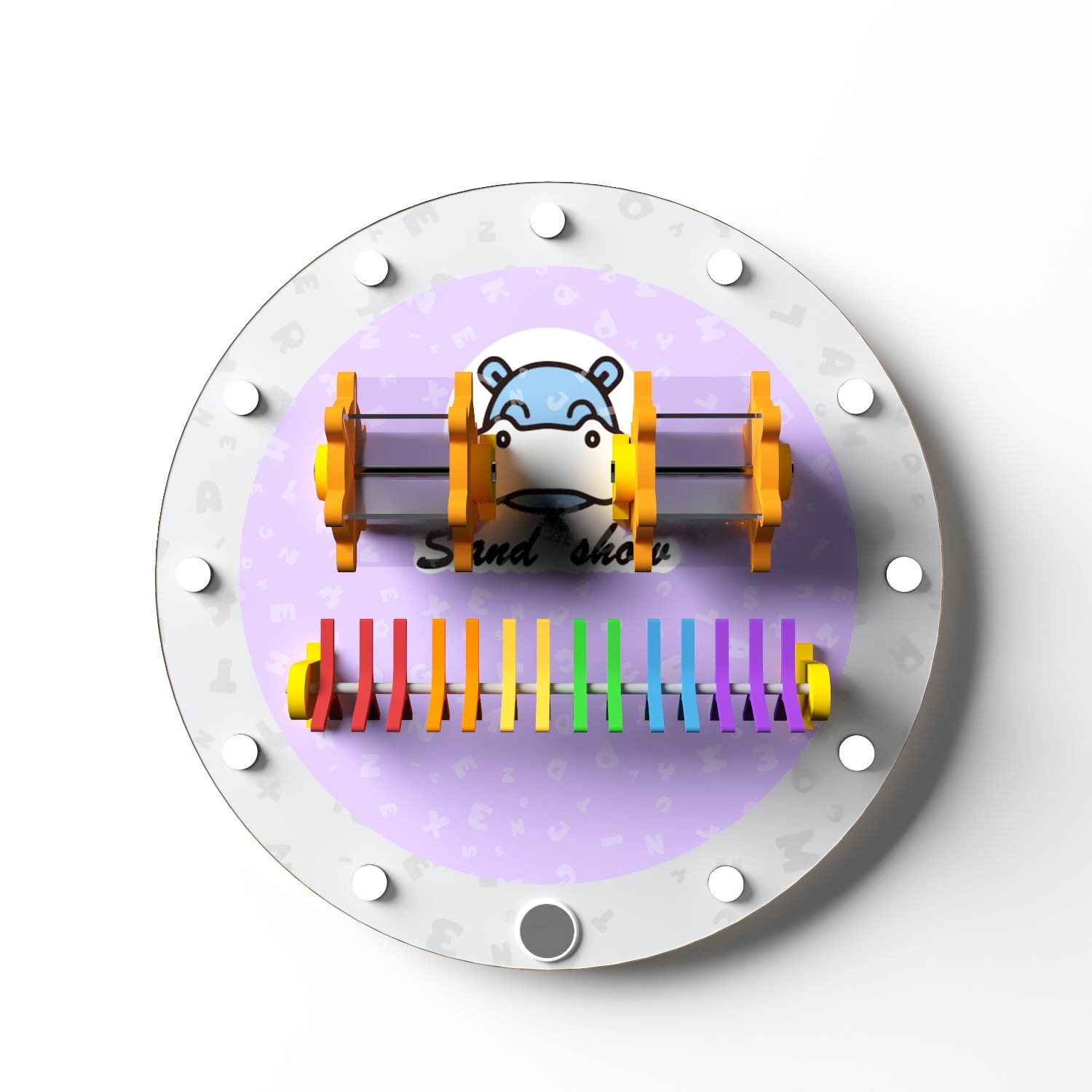
Rainbow Sand Wall — Chime Bar Cascade
A row of coloured chime bars sits across the lower half of the panel. Sand dropped from the twin hoppers above runs over the bars and sets them ringing, so the child hears the flow as well as sees it — the panel that works with the lights off.
| Models | Rainbow sand wall |
| Colors | 6 standard |
| Versions | Wall-mounted / floor-standing with base |
| Panel | Round, approx. 600 mm diameter |
| Mechanism | Twin sand hoppers + 12 coloured chime bars |
| Materials | Powder-coated steel ring, painted face, PC window, aluminium bars |
- Sand striking the chime bars adds sound to the sand flow
- Twelve colour-coded bars turn the panel into a counting and colour toy
- Twin hoppers let two children feed the same cascade at once
- Works as a sensory exhibit in a quiet corner, not just a play item
- LED backlight option makes the cascade glow in a dark room




Knob Sand Wall — Twist and Sweep
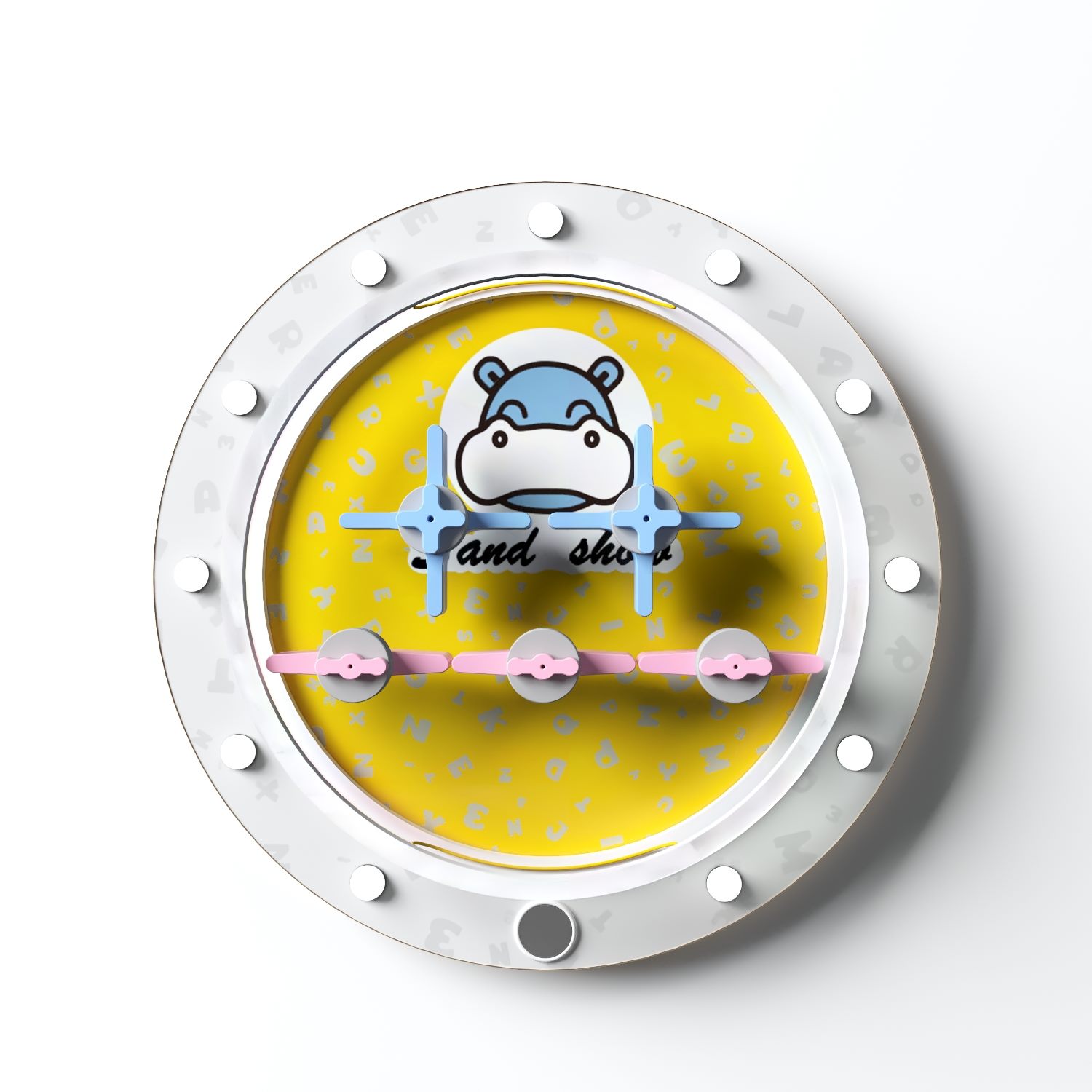
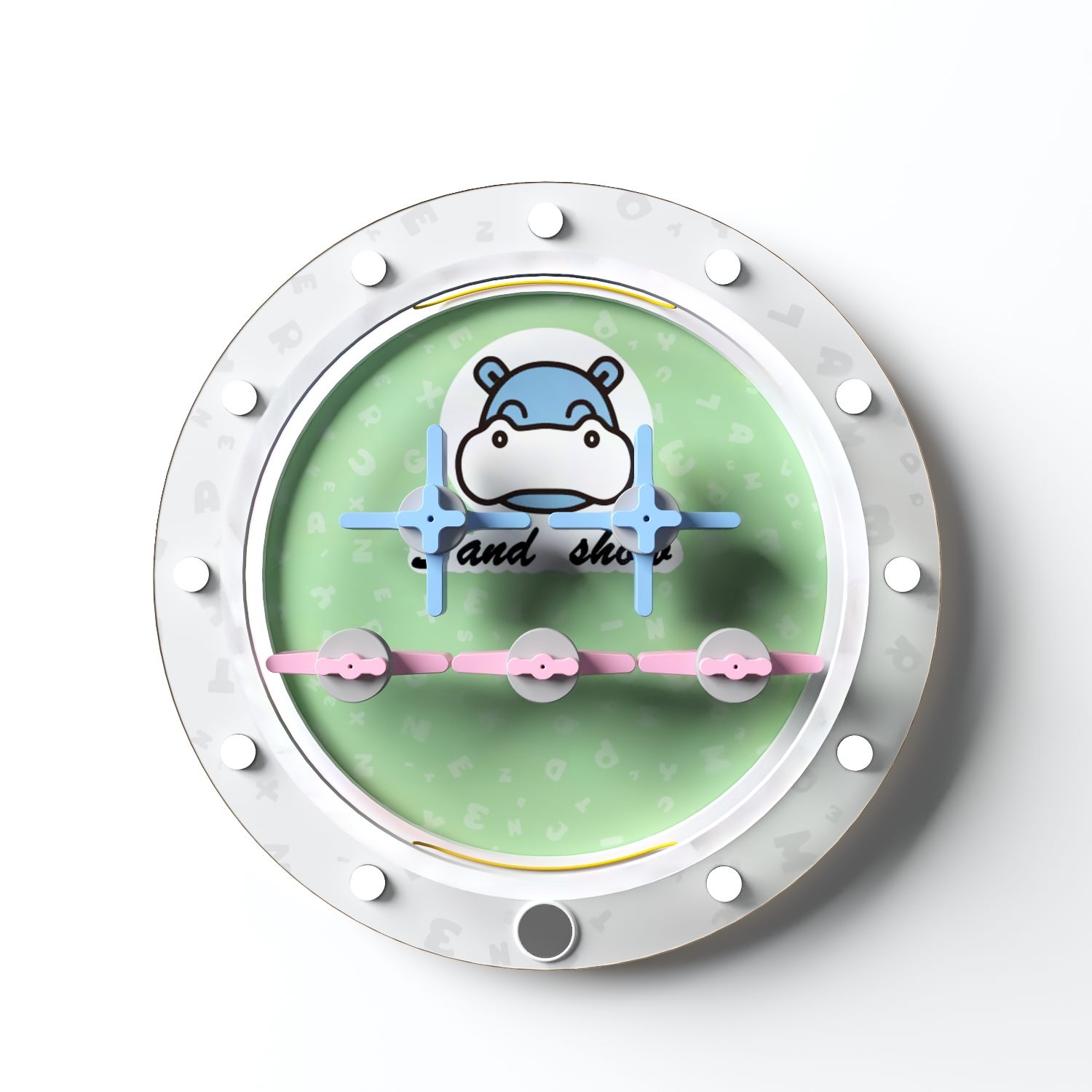
Three large twist knobs on a cross-rail and a lower sweep bar. Turning a knob rotates a paddle against the sand tray; sliding the sweep bar pushes sand off the ledge in a controlled line. The most precise panel in the range — good for small hands still learning to turn rather than grab.
| Models | Knob sand wall |
| Colors | 6 standard |
| Versions | Wall-mounted / floor-standing with base |
| Panel | Round, approx. 600 mm diameter |
| Mechanism | 3 twist knobs on cross-rail + lower sweep bar |
| Materials | Powder-coated steel ring, painted face, PC window, ABS knobs |
- Oversized knobs suit children who cannot yet grip a small crank
- Sweep bar lets a child draw a line in falling sand — early mark-making
- Three independent knobs make it a cooperative two- or three-child panel
- Gentle action, low noise — suited to libraries and clinic waiting areas
- Encourages fine-motor control and wrist rotation

Insert Sand Wall — Tilted Tray Cascade
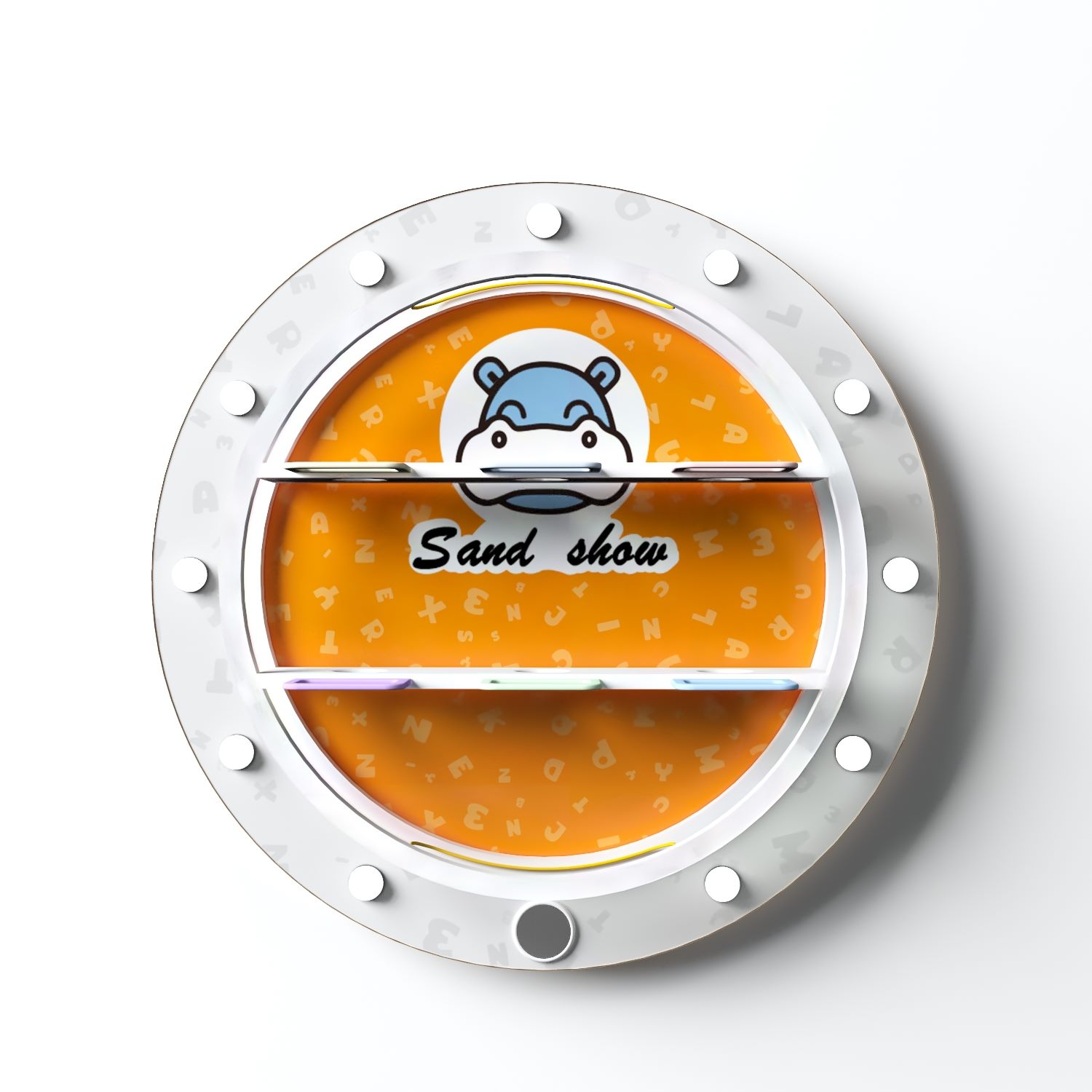
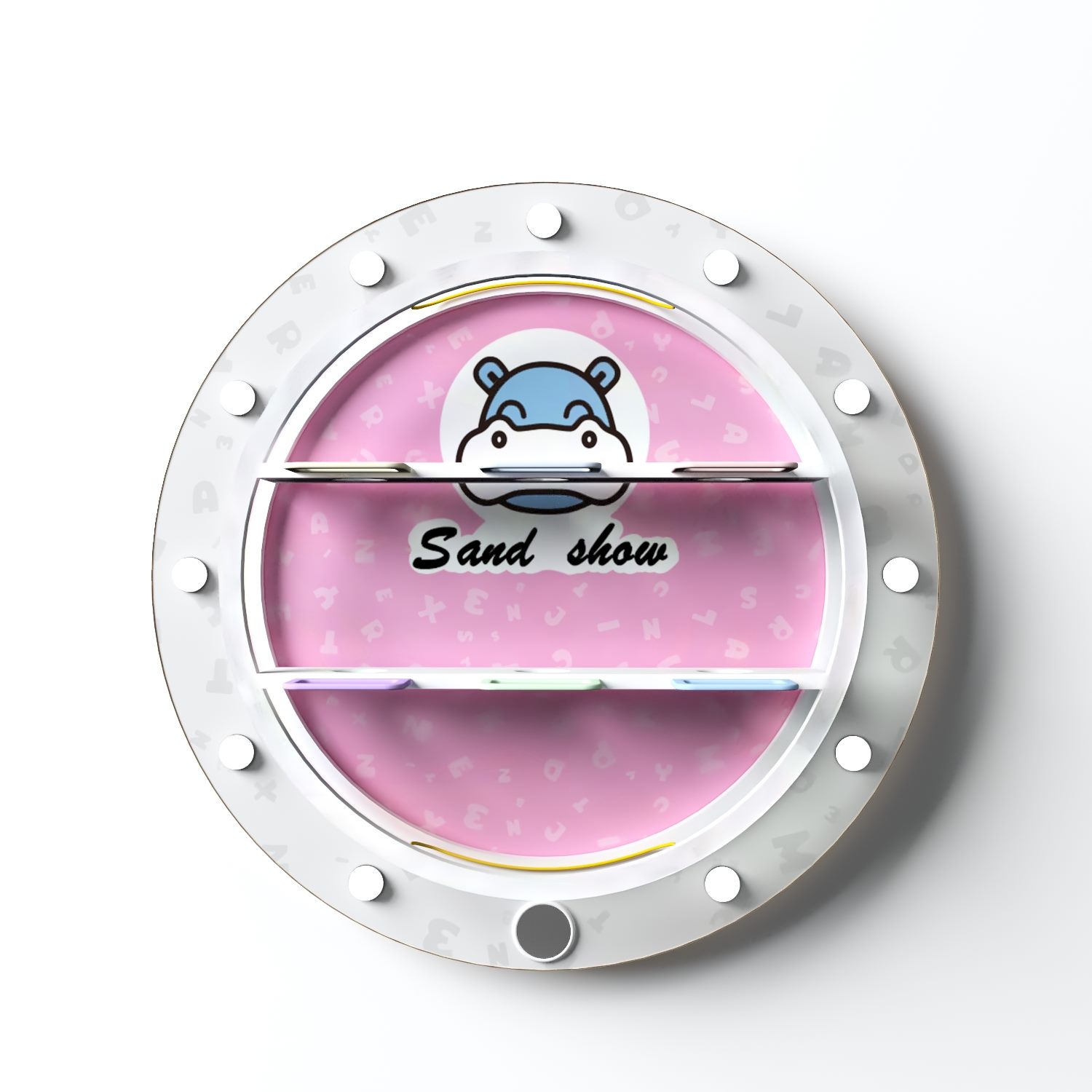
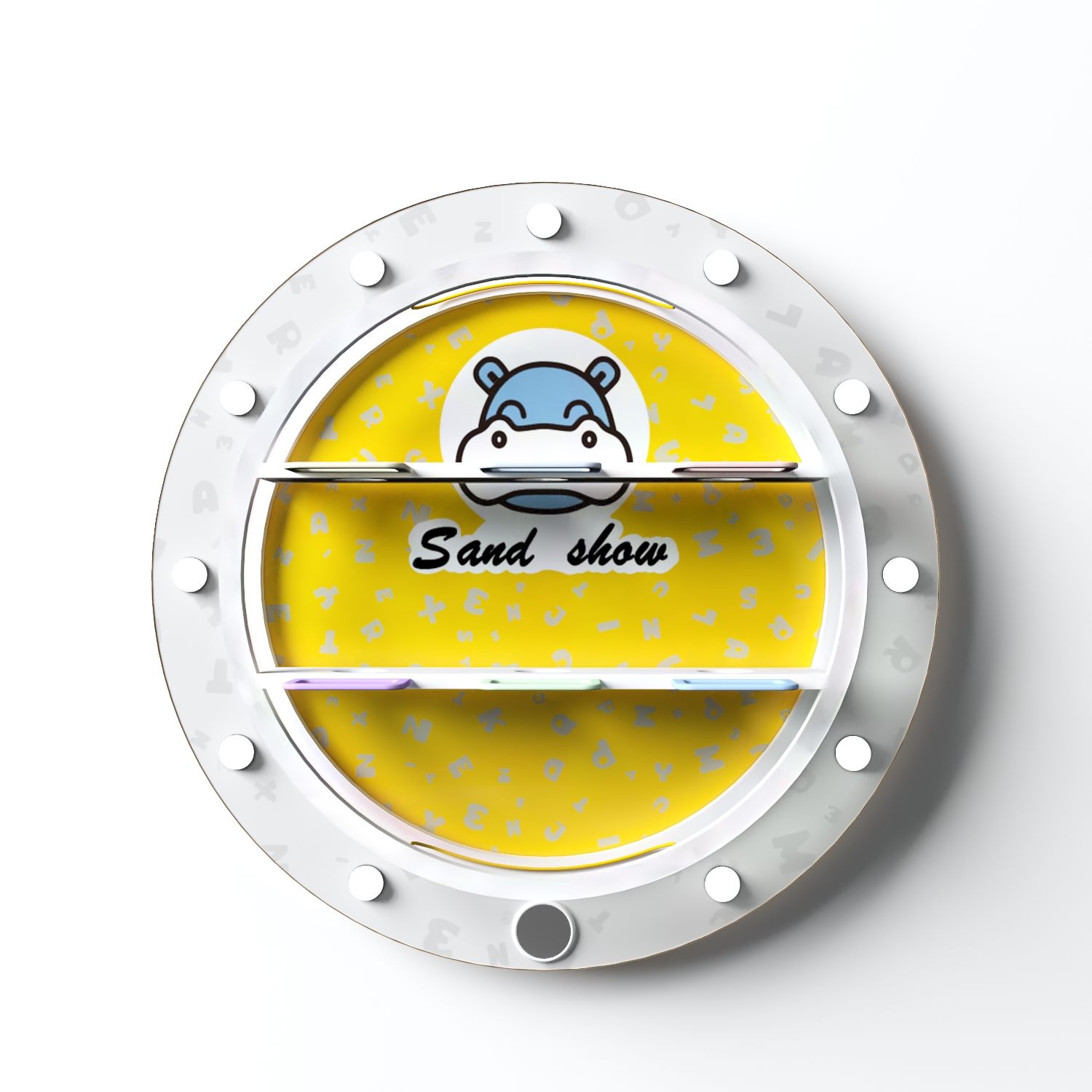
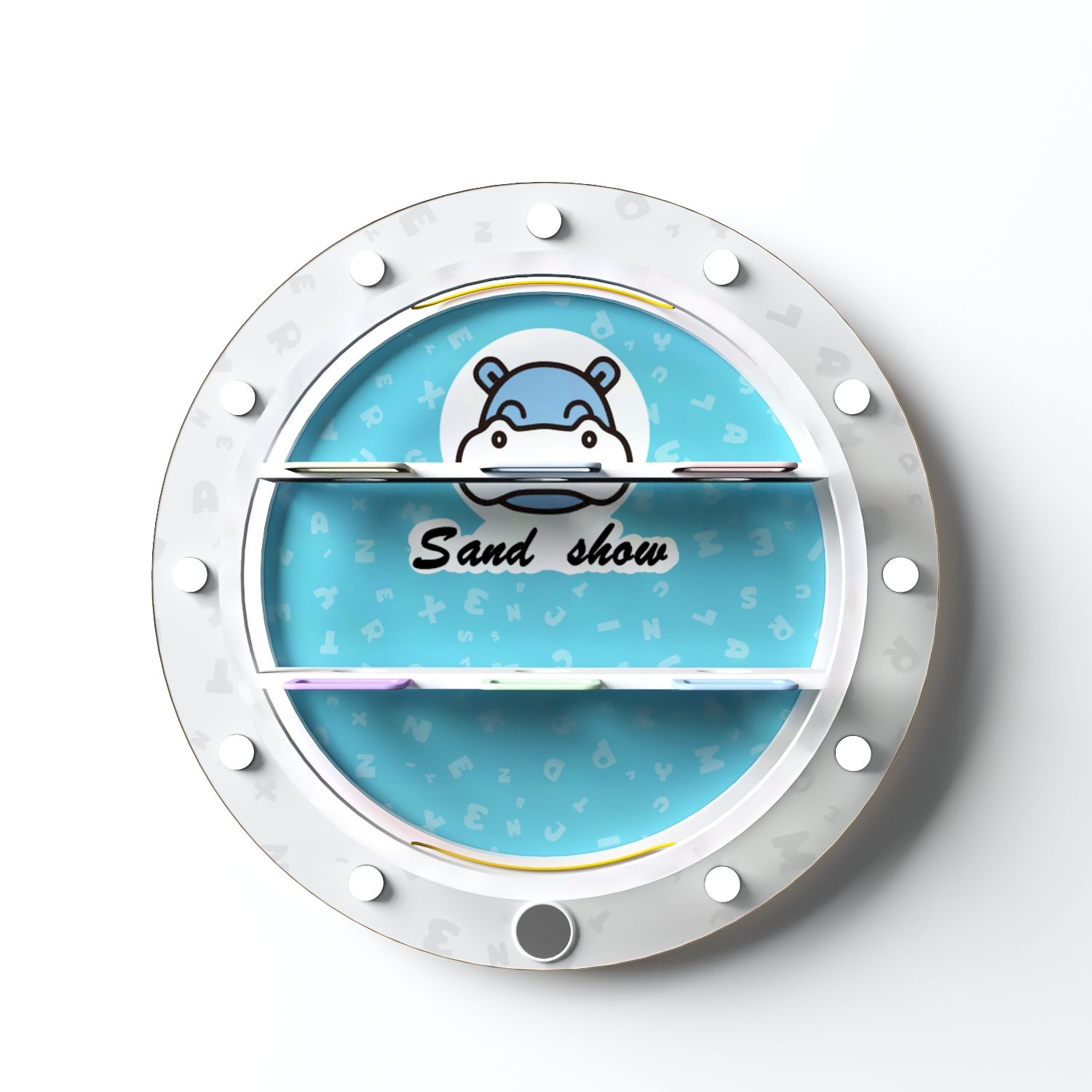
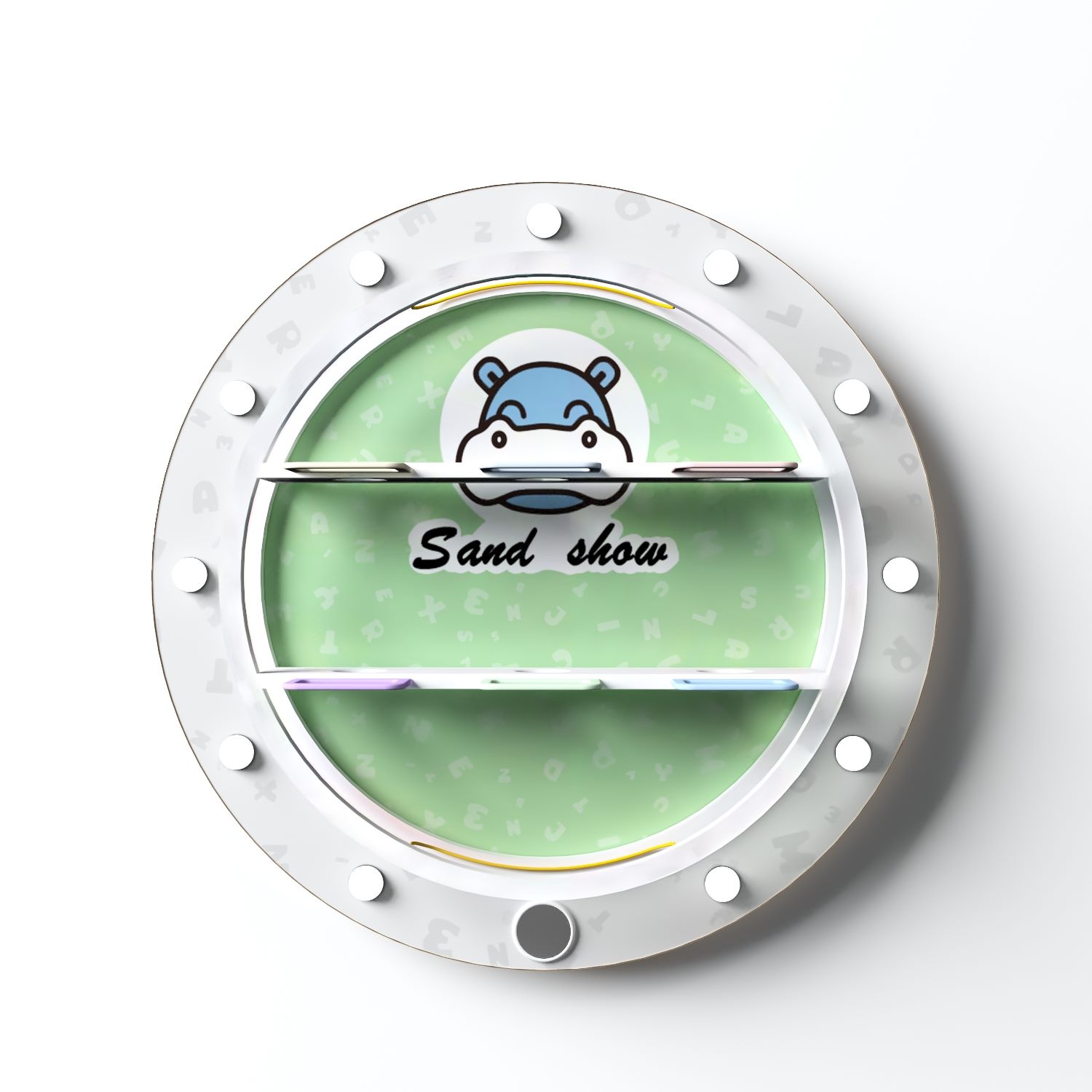
Two slotted trays are set at opposite angles across the panel. Sand poured into the top slot slides down, drops through the gap and lands on the lower tray, which sends it back the other way. A pure-gravity panel — nothing to turn, so it works for the youngest children in the range.
| Models | Insert sand wall |
| Colors | 6 standard |
| Versions | Wall-mounted / floor-standing with base |
| Panel | Round, approx. 600 mm diameter |
| Mechanism | Two opposed tilted trays, gravity feed |
| Materials | Powder-coated steel ring, painted face, PC window, acrylic trays |
- No knobs or cranks — works for children from about age 3
- Opposed angles show that sand always finds the low point
- Transparent window lets a child watch the whole path at once
- Simplest mechanism in the range, so the lowest maintenance
- Pairs with the rotating panel as a two-panel starter wall
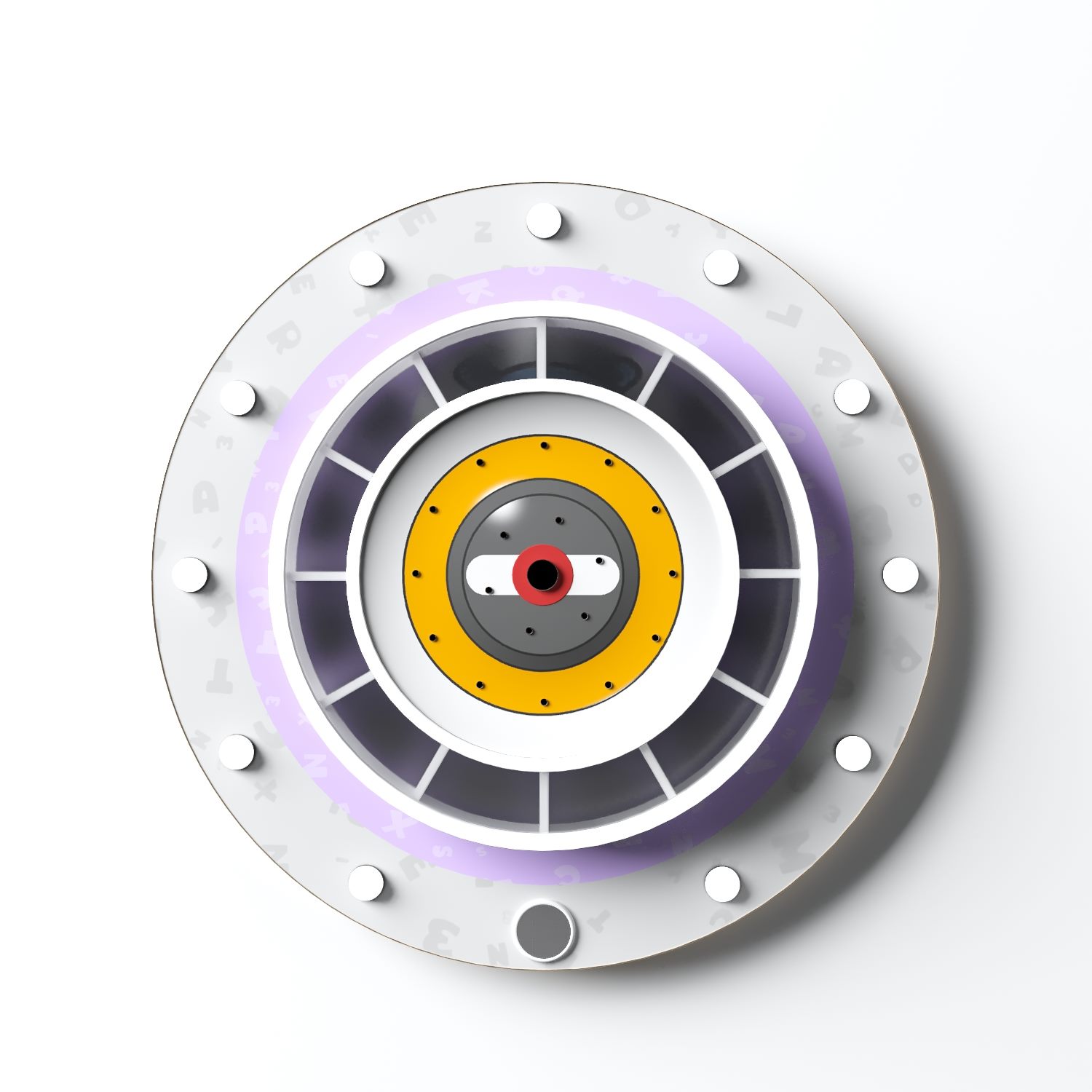
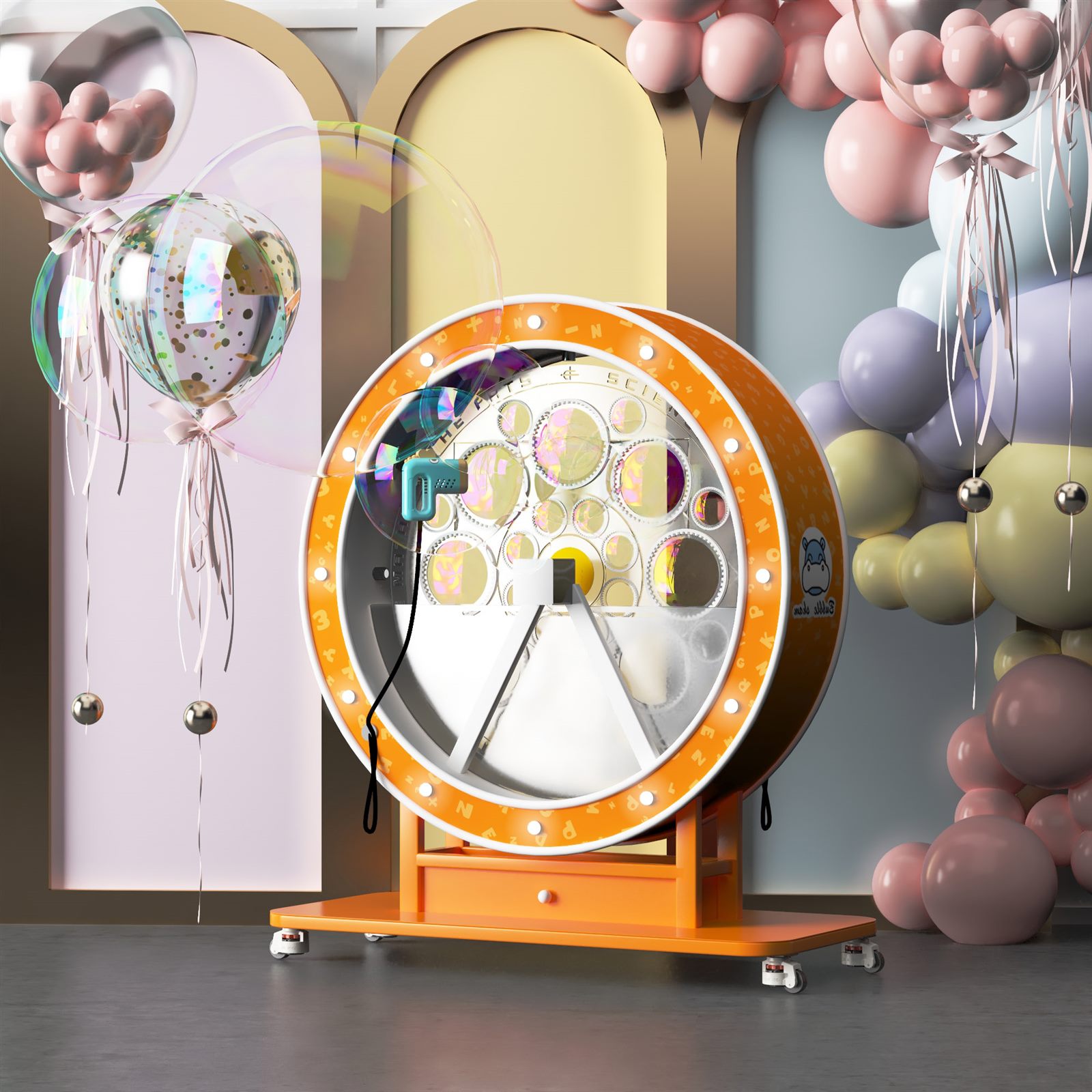
Ferris Wheel Sand Wall — Rotating Sand Drum
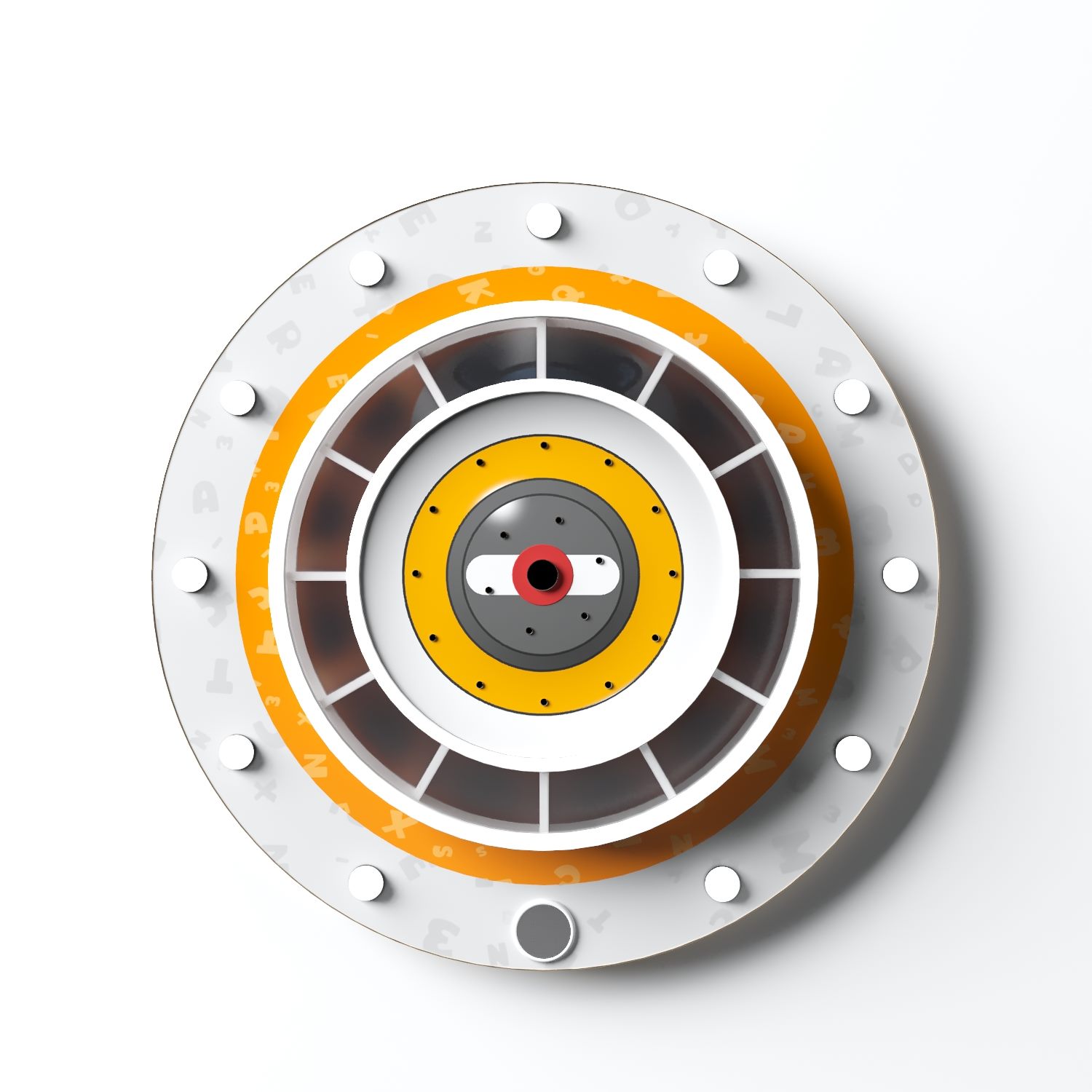
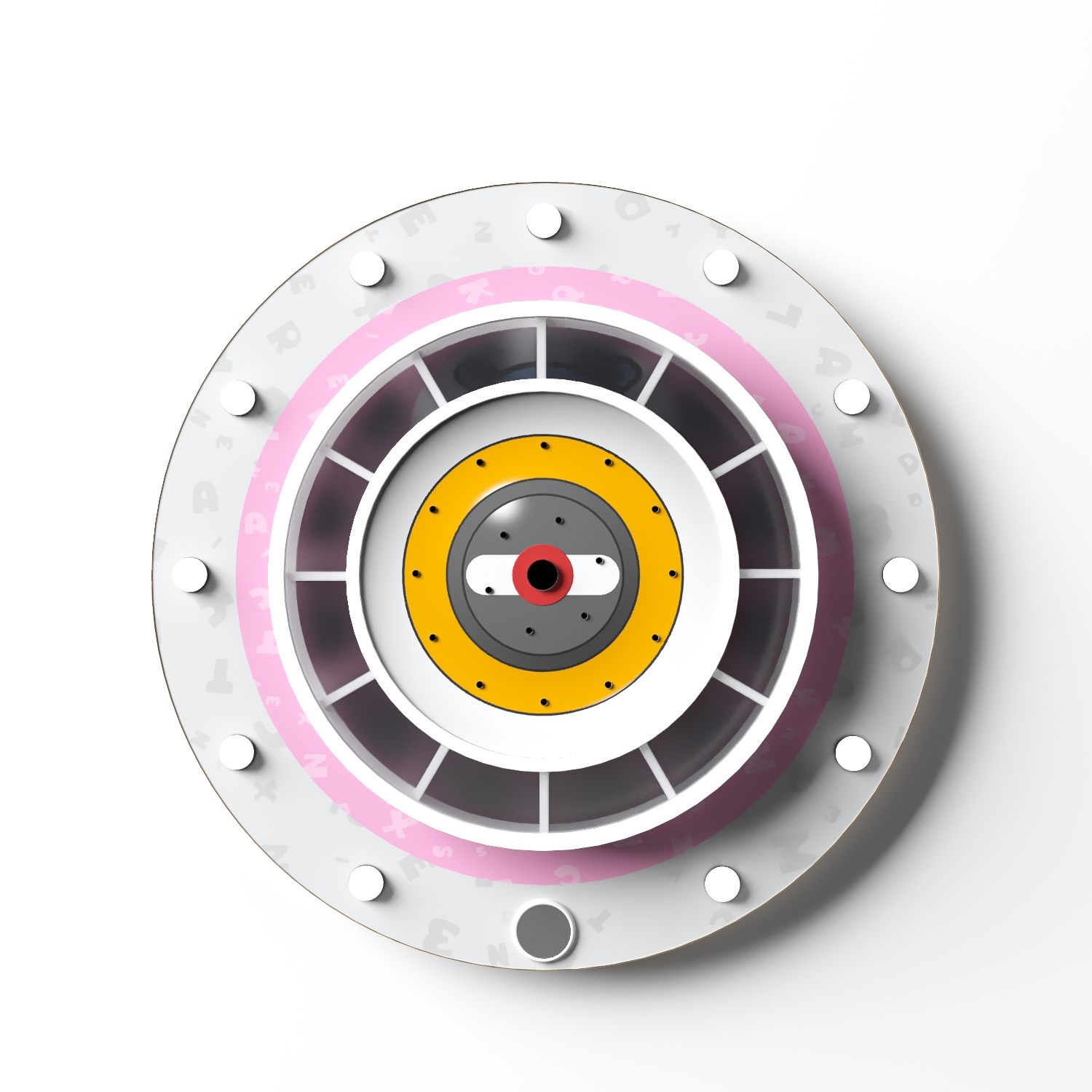
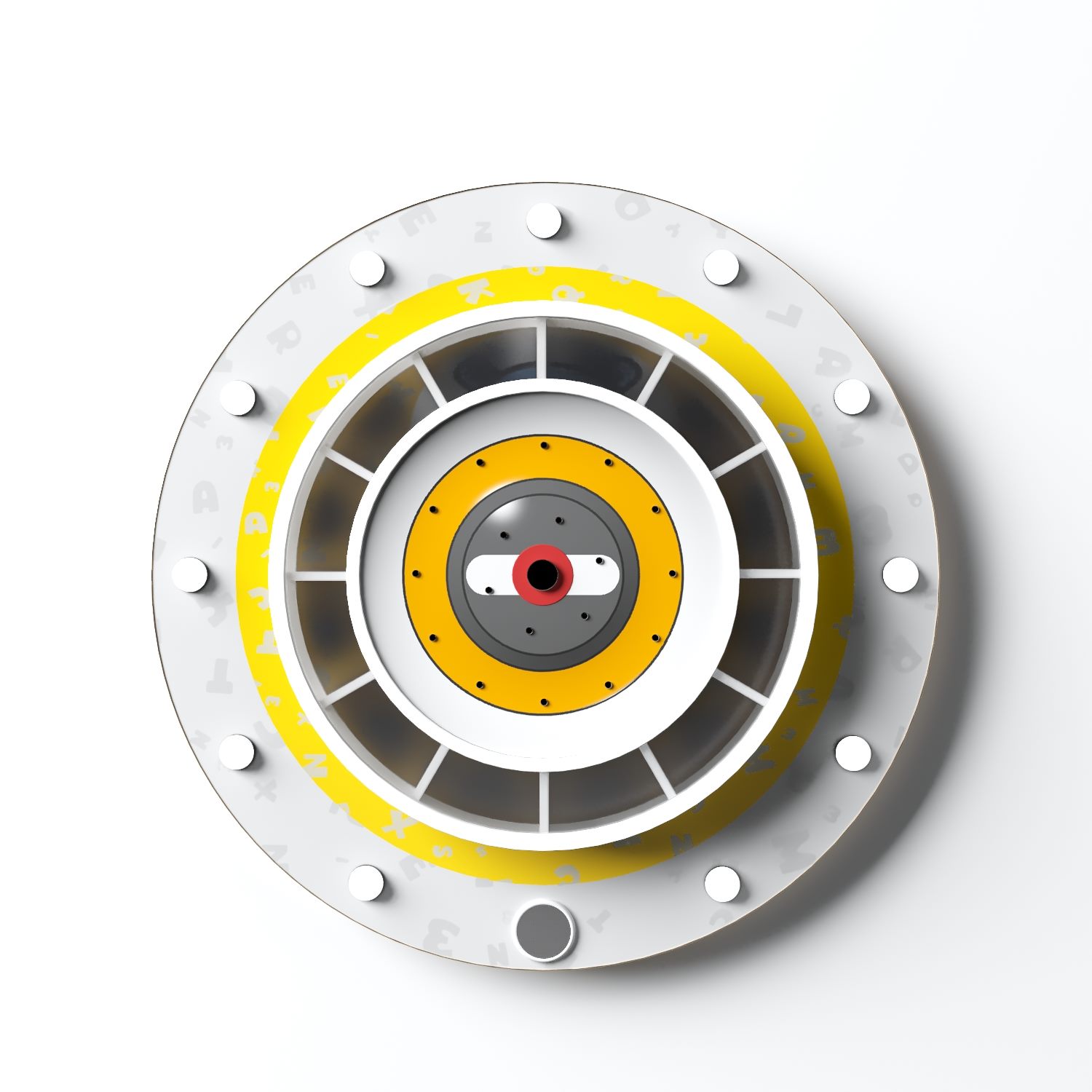
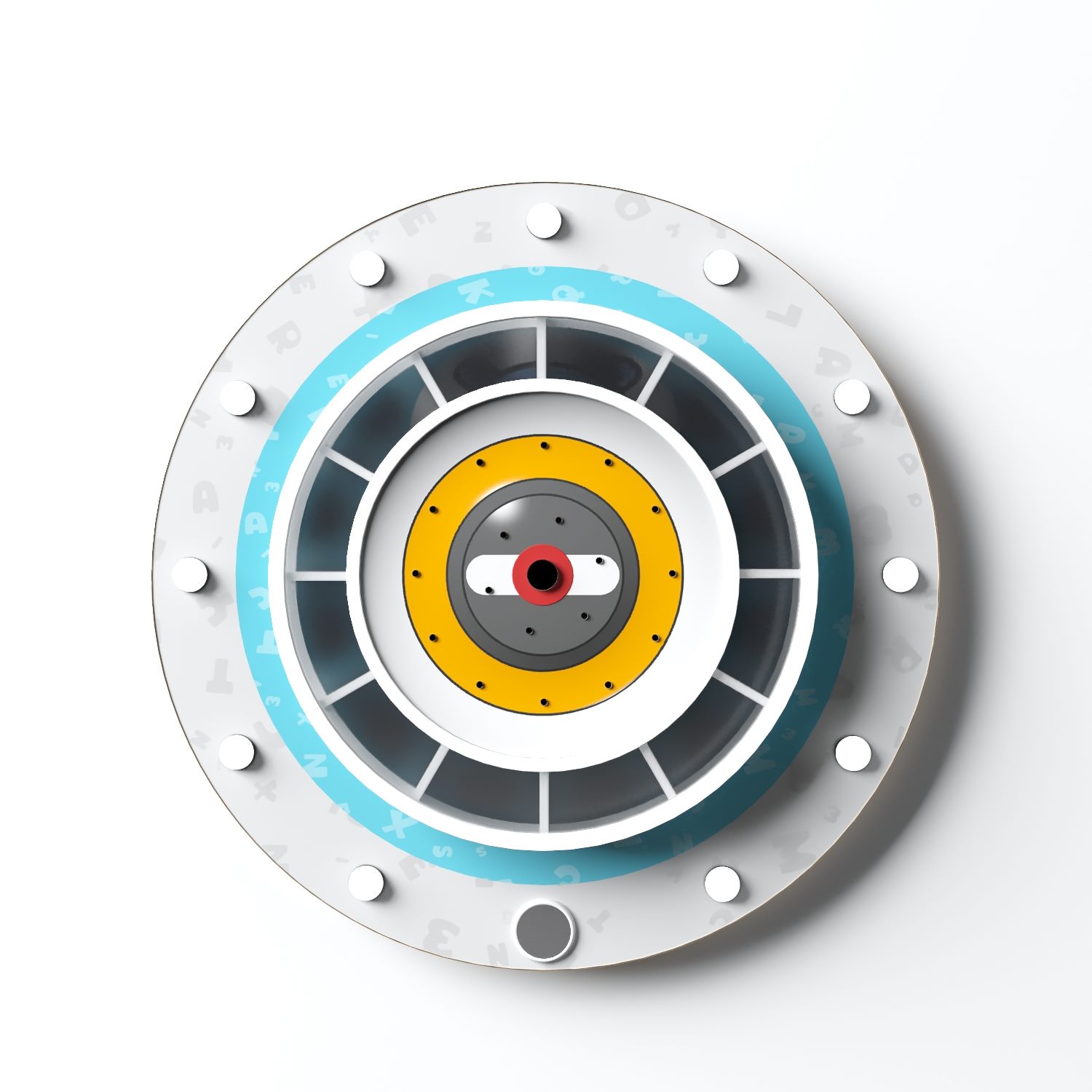
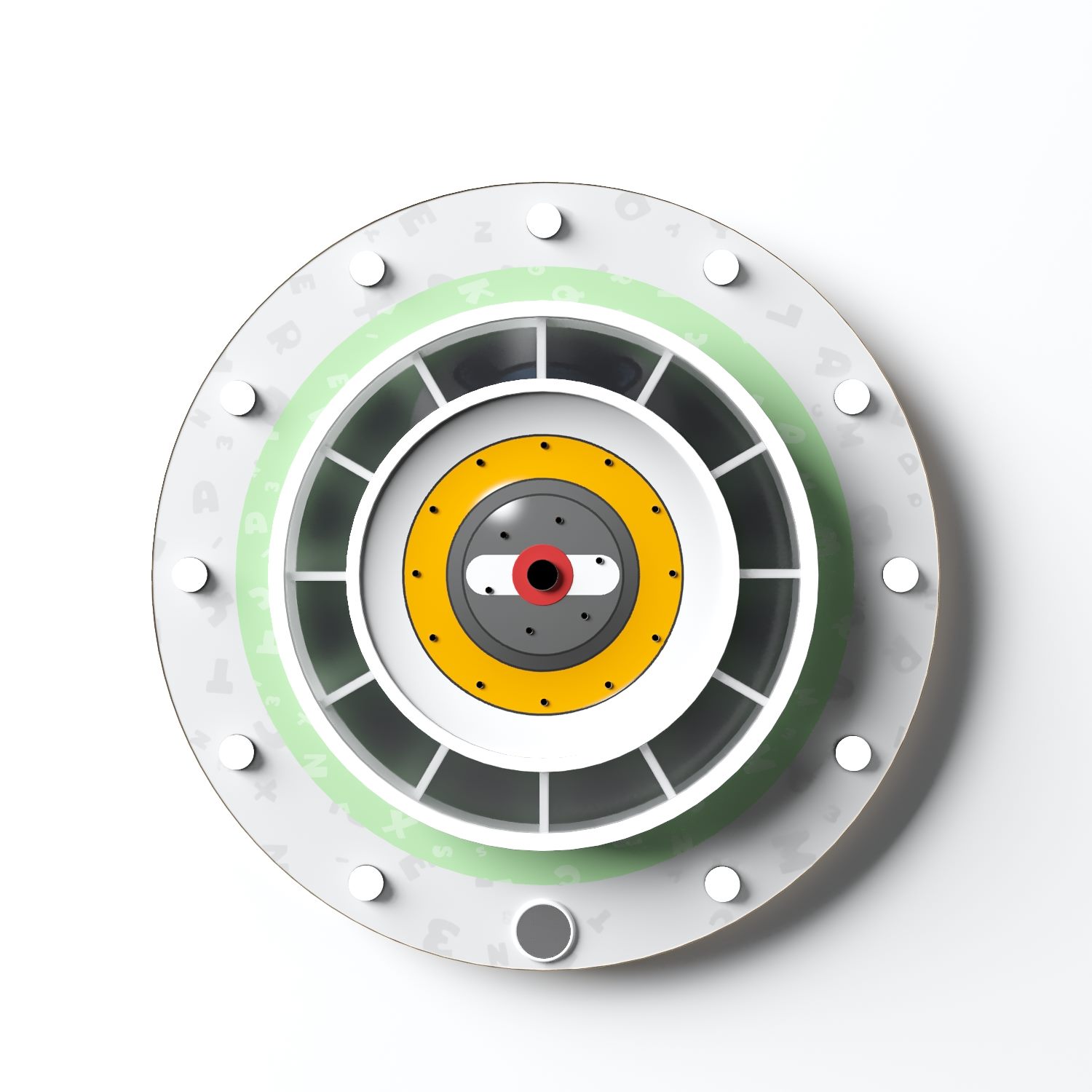
Concentric rings with a segmented drum between them. Turn the centre handle and the drum rotates, carrying sand up the segments and releasing it behind a tinted window — a miniature Ferris wheel built out of sand. The most photogenic panel in the range and the natural anchor for a sand-play wall.
| Models | Ferris wheel sand wall |
| Colors | 6 standard |
| Versions | Wall-mounted / floor-standing with base |
| Panel | Round, approx. 600 mm diameter |
| Mechanism | Centre handle driving a segmented sand drum |
| Materials | Powder-coated steel ring, painted face, tinted PC drum window |
- Segmented drum reads as a Ferris wheel — strongest photo panel in the range
- Centre handle is the easiest action for a very small child
- Tinted window keeps sand visible while hiding the mechanism
- Works as the visual anchor at the centre of a wall run
- Same colour system as the other four panels, so a run stays consistent
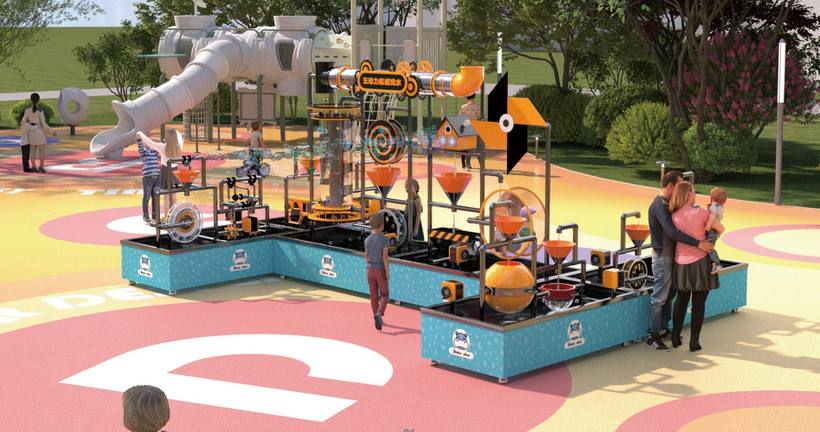
Construction Machinery Sand Play — Conveyors and Funnels
The floor-standing half of the sand range: seven gear devices plus thirteen construction-machinery play sets. Sand travels along conveyor belts into funnels, driving a chain of mechanical reactions — the most popular parent-child interaction in the catalogue, and completely unpowered.
| Models | 7 gear + 13 machinery sets |
| Sizes | 5 medium + 8 small models |
| Core action | Sand conveyor → funnel → mechanical reaction |
| Materials | Galvanized steel, HDPE, PC |
| Power | None — fully mechanical |
| Age group | 3–10 years |
- Kids load sand, turn wheels and watch the whole machine come alive
- Encourages cooperation — several children can work the line together
- Sand and moving parts build intuitive understanding of mechanics
- Modular: start with one unit, expand into a full sand-play zone
- Extremely durable, ideal for high-traffic public play areas
Sand Castle: what the five panels actually do
The range looks like five variations on one round panel, and mechanically that is close to the truth — but the five differ in the action a child performs, and that is what decides which panel suits which age group. Buying a wall is really a question of matching actions to children.
- Rotating — two large paddle wheels lifted and turned like steering wheels. The most immediate reward: turn, and a curtain of sand falls. Best for ages 3–6 and the highest-throughput panel.
- Rainbow — twin hoppers feed a row of chime bars. Adds sound and colour coding; the panel children return to. Best for sensory corners and music-adjacent play.
- Knob — three oversized twist knobs plus a sweep bar. The most precise action, and the one that best suits children still learning to rotate a wrist rather than grab.
- Insert — two opposed tilted trays, no moving handle at all. Pure gravity, so it works from about age 3 and needs the least attention from staff.
- Ferris wheel — a segmented drum behind a tinted window. The strongest visual and the natural anchor at the centre of a wall run.
A practical wall for a mall or FEC is usually five panels in a row with the Ferris wheel in the middle, or three panels (rotating / Ferris / rainbow) where space is tight. For kindergartens, two or three panels at child height along a corridor works better than one large installation.
Why the panel is round
Round is a maintenance decision as much as a design one. A square panel has four internal corners where sand packs and where a brush cannot reach; the round panel lets sand run to a single low point in the tray and out. It also removes the four hard corners a child can walk into in a play corridor, and it lets the panel read as a face — which is why the character in the middle of every panel is not decoration but the thing children aim at.
Wall-mounted or floor-standing
Every model is available in both versions, and the choice is usually made by the building rather than by the buyer.
Wall-mounted
Zero floor footprint, which matters in a mall corridor, a clinic waiting area or a restaurant where every square metre earns. The panel is fixed through a steel ring onto a solid wall; on plasterboard or a stud wall we supply a plywood backing plate so the load is spread across the studs. Fixing height should put the tray at roughly 500–600 mm for ages 3–6, or 650–750 mm for ages 6–8.
Floor-standing
A painted base with two uprights carries the same panel, so it is freestanding — it can stand in the middle of a room, against a glass shopfront where wall fixing is impossible, or be moved between pitches. The base also catches the sand that misses the tray, which reduces sweeping in high-traffic areas. On a hard floor we recommend a 1 m × 1 m mat under each floor-standing unit.
What arrives on site
Panels ship assembled, in a crate sized for a standard doorway. Wall mounting is two people and hand tools; floor-standing is a bolt-together base with no specialist contractor. We supply a fixing drawing and a placement layout for the whole run, whether that is three panels or fifteen.
Colors, branding and OEM
Six colors are stocked across all five models: orange, pink, yellow, blue, green and purple. Because the face is a printed panel rather than a painted surface, a custom color or pattern is a print change — which is why custom branding is priced at standard product level rather than as a one-off engineering job.
Typical branding requests we handle: a venue logo replacing the centre character, a theme name on the ring, a color matched to a mall or kindergarten identity, and a two-language instruction plate on the back. For chain operators we hold a color and logo across repeat orders.
If you are planning sand play as part of a larger play area, see indoor play areas for malls for how sand walls combine with ball walls and soft play, and our mechanical sand play guide for the buying decision behind the range.
What does a sand wall cost?
Price is driven by three things: how many panels, which models (the Ferris wheel and rainbow panels carry more mechanism than the insert panel), and the mounting version. Because the mechanism is shared across the range, the spread between the entry panel and the anchor panel is smaller than buyers usually expect.
We quote line by line rather than publishing a headline figure, and we will tell you the bracket your project falls into on the first reply. Send the wall length or floor plan, the target age group and whether the run is indoor or covered outdoor, and we will return a panel mix with itemised pricing, normally within one working day.
Sand Mechanism Series — thirteen units
Beyond the sand walls above, this freestanding series runs sand through full mechanical chains: conveyor belts lift it, funnels meter it, wheels and turbines spin on the falling sand. Five medium conveying mechanisms and eight compact units, all hand-driven, all unpowered — the most requested parent-child play in the catalogue.
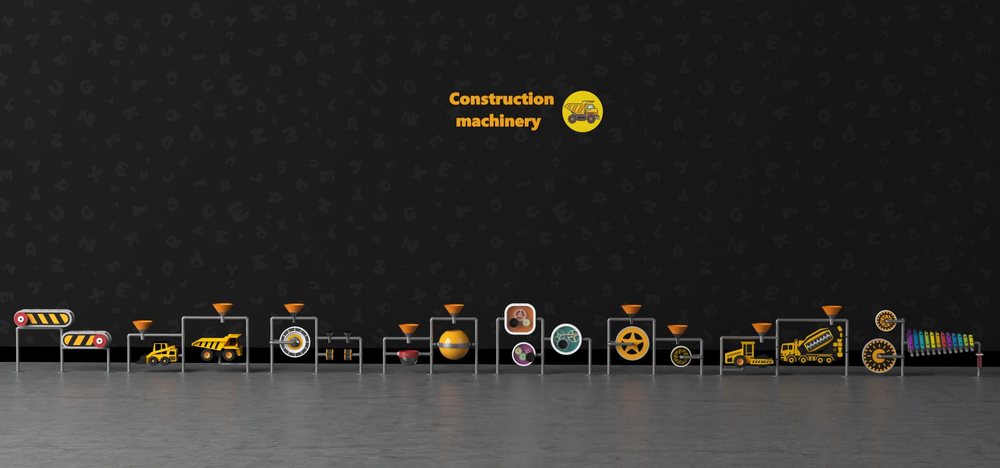
Conveying mechanisms — five units
| # | Unit | How sand travels | Size (mm) |
|---|---|---|---|
| 01 | Sand Conveyor 01 | Crank the belt to lift sand into the top funnel; the falling sand spins a turbine wheel | 1300 × 120 × 1450 |
| 02 | Sand Conveyor 02 | Belt lifts sand to a rotary-valve hopper; turning the knob meters sand back out | 1900 × 120 × 1370 |
| 03 | Sand Conveyor 03 | Belt feeds a tipping bucket that auto-dumps at full, plus a crank-driven ferris wheel fed by hand shovel | 2400 × 120 × 1500 |
| 04 | Sand Conveyor 04 | Belt lifts sand to a twin-wheel funnel station; dump tray empties the reservoir | 1300 × 120 × 1450 |
| 05 | Sand Conveyor 05 | Belt carries sand to a splitter box feeding left and right mechanisms at once | 1900 × 120 × 1370 |
Compact sand units — eight units
| # | Unit | Play | Size (mm) |
|---|---|---|---|
| 01 | Sand-Driven Gear Wheel | Pour sand into the funnel; gravity turns the gear train | 1700 × 400 × 1200 |
| 02 | Dump Truck Station | Sand fills truck and loader bodies; children tip and haul it | 2200 × 500 × 1200 |
| 03 | Mixer Truck Station | Sand spins the mixer drum and drives the road roller | 2200 × 500 × 1200 |
| 04 | Tipping Container | Fill the container, grab the handle, tip it out | 1700 × 700 × 1200 |
| 05 | Music Wheel | Gears grind the sand while a chime bar plays on the side | 2000 × 700 × 1200 |
| 06 | Conveyor Belt | Crank the belt and haul sand up the frame | 1700 × 400 × 1200 |
| 07 | Gear Panel | Pure gear-train panel — crank and watch the meshing | 1700 × 300 × 1200 |
| 08 | Sand Wheel | Funnel-fed wheel spins on the falling sand | 1700 × 400 × 1200 |
Materials across the series: powder-coated galvanized steel frames, PE bodies, PC windows, stainless fixings. Every unit is hand-crank or gravity driven — no motors, no wiring, no daily power cost. Units order individually or as themed rows; sand is standard play sand.
Where this equipment works
Common questions
Does sand play equipment need a water supply or power?
No. Every panel in the range is hand-driven and needs neither water nor electricity. The LED and music option, where specified, runs on a standard 220V supply and can be omitted entirely.
What kind of sand should we use?
Washed, dust-free play sand with rounded grains — the same specification used in indoor sand pits. Kinetic or coloured decorative sand also works in the panels but is more expensive to replace. We advise on depth, volume and replacement schedule based on your footfall.
Wall-mounted or floor-standing — which should we choose?
Wall-mounted uses zero floor space and suits corridors, waiting areas and narrow play zones; it needs a solid wall or a plywood backing at the fixing points. Floor-standing with the painted base is freestanding, can be moved, and works in the middle of a room or against glass.
Can it be installed outdoors?
The panels are designed for indoor use. For a covered outdoor area we can specify a galvanised ring and UV-stable face; for fully exposed sites we do not recommend the painted MDF face — ask us about the stainless version instead.
How much maintenance does a sand wall need?
Very little. Empty the tray and brush the window daily, and wipe the face weekly. The mechanism has no motor or belt, so the annual service is a check of the knob and wheel bearings. Spare trays and windows are stock items.
Can we order a mixed wall of different models and colors?
Yes — that is how the range is normally sold. Pick any mix of the five models and any of the six colors; we build it as one shipment with a single fixing drawing. A common layout is the Ferris wheel as the anchor with rotating and rainbow panels either side.
Send your floor plan, get a line-by-line quotation
Tell us the site dimensions, target age group and budget range. Manager Liu replies with a layout proposal, specifications and itemised pricing — usually within one working day.